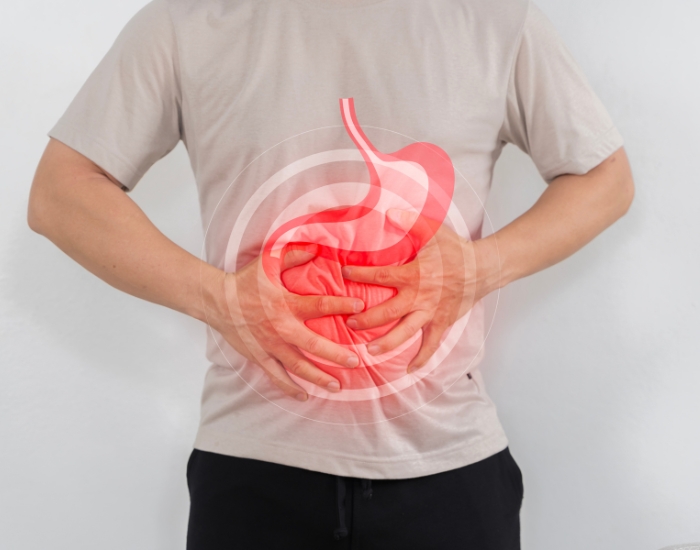

Abdominal pain is one of the most common reasons people schedule a doctor’s appointment. Sometimes it’s nothing more than a mild stomach upset after eating a heavy meal, while other times it can interfere with work, sleep, family life, and everyday activities. Because so many organs are located in the abdomen, it isn’t always easy to determine what’s causing the discomfort—or whether it’s something that requires immediate medical attention.
The reassuring news is that many cases of stomach pain are caused by non-emergency conditions that can be effectively diagnosed and treated by a primary care physician. Problems such as acid reflux, constipation, viral gastroenteritis, food poisoning, urinary tract infections (UTIs), irritable bowel syndrome (IBS), and gastritis are among the most common causes of abdominal discomfort seen in primary care clinics every day.
Recognizing the symptoms of these conditions—and knowing when to schedule a same-day appointment instead of waiting—can help you recover more quickly while reducing the risk of complications. In this guide, we’ll explain seven common causes of abdominal pain, how they’re diagnosed, what treatment may involve, and when it’s time to seek medical care.
Table of Contents
- Understanding Abdominal Pain
- 1. Acid Reflux (GERD)
- 2. Constipation
- 3. Viral Gastroenteritis
- 4. Food Poisoning
- 5. Urinary Tract Infections
- 6. Irritable Bowel Syndrome (IBS)
- 7. Gastritis
- When to Schedule a Same-Day Visit
- Important Note
- How Primary Care Doctors Diagnose Abdominal Pain
- Preventing Common Digestive Problems
- Frequently Asked Questions
- Final Thoughts
Important Note
Abdominal pain doesn’t always mean there’s a serious medical emergency, but it should never be ignored when it’s persistent, worsening, or accompanied by symptoms like fever, persistent vomiting, bloody stools, or severe tenderness. Understanding the most common causes can help you decide when it’s appropriate to schedule a primary care visit and when more urgent evaluation may be necessary.
Understanding Abdominal Pain
Abdominal pain refers to discomfort anywhere between the chest and pelvis. It may develop suddenly or gradually, remain in one location or spread across the abdomen, and range from mild cramping to severe, constant pain.
One reason stomach pain can be difficult to diagnose is that many different organs share this relatively small area of the body. The stomach, intestines, liver, gallbladder, pancreas, kidneys, bladder, and even muscles and nerves can all contribute to abdominal discomfort.
Healthcare providers consider several factors when evaluating abdominal pain, including:
- Where the pain is located.
- When it started.
- Whether it comes and goes or remains constant.
- What makes it better or worse.
- Whether it’s associated with eating.
- Any accompanying symptoms such as nausea, diarrhea, fever, constipation, or urinary changes.
Many non-emergency digestive conditions can be evaluated during a same-day sick visit, allowing treatment to begin quickly without the need for an emergency room visit.

1. Acid Reflux (GERD)
Acid reflux, also known as gastroesophageal reflux disease (GERD) when it becomes chronic, is one of the most common reasons patients experience upper abdominal discomfort.
Normally, a ring of muscle between the stomach and esophagus prevents stomach acid from moving upward. When this muscle relaxes at inappropriate times or becomes weaker, stomach acid can travel into the esophagus, causing irritation.
Symptoms often include:
- Burning pain in the upper abdomen or chest.
- Heartburn after meals.
- A sour or bitter taste in the mouth.
- Frequent burping.
- Symptoms that worsen after lying down.
Many patients notice that spicy foods, caffeine, alcohol, fatty meals, and eating late at night make symptoms worse.
A primary care physician can evaluate your symptoms, rule out more serious causes, recommend lifestyle changes, and prescribe medications when necessary to reduce stomach acid and promote healing.
2. Constipation
Constipation is another extremely common cause of abdominal discomfort. While many people occasionally experience constipation, ongoing or recurrent symptoms shouldn’t be considered normal.
When stool remains in the intestines longer than usual, it becomes harder and more difficult to pass. This can lead to bloating, cramping, lower abdominal pain, and a sensation of incomplete bowel movements.
Common symptoms include:
- Fewer than three bowel movements per week.
- Hard or dry stools.
- Straining during bowel movements.
- Abdominal bloating.
- Lower abdominal cramping.
Constipation may result from inadequate fiber intake, dehydration, lack of physical activity, certain medications, travel, or underlying medical conditions.
Your healthcare provider can determine whether lifestyle modifications are appropriate or whether additional evaluation is needed to identify the underlying cause.
3. Viral Gastroenteritis (Stomach Virus)
Often referred to as the “stomach flu,” viral gastroenteritis is an infection that affects the stomach and intestines. Although it’s uncomfortable, most healthy adults recover within several days.
Symptoms typically develop suddenly and may include:
- Stomach cramps.
- Nausea.
- Vomiting.
- Diarrhea.
- Mild fever.
- Fatigue.
The biggest concern with viral gastroenteritis is dehydration, particularly for older adults and individuals with chronic medical conditions. Drinking plenty of fluids and replacing lost electrolytes are essential during recovery.
If symptoms become severe, dehydration develops, or vomiting prevents you from keeping fluids down, prompt medical evaluation is recommended.
4. Food Poisoning
Food poisoning occurs after eating food contaminated with bacteria, viruses, parasites, or toxins. Symptoms may begin within a few hours or take several days to develop depending on the specific organism involved.
Common symptoms include:
- Abdominal cramps.
- Nausea and vomiting.
- Diarrhea.
- Fever.
- Loss of appetite.
- General weakness.
Most mild cases improve with hydration and rest, but persistent symptoms, bloody diarrhea, high fever, or signs of dehydration should never be ignored.
Your primary care provider can determine whether supportive care is sufficient or whether additional testing or treatment is necessary.
5. Urinary Tract Infections (UTIs)
Although urinary tract infections are often associated with burning during urination, many people are surprised to learn that a UTI can also cause abdominal discomfort. Because the bladder sits in the lower abdomen, inflammation caused by infection frequently produces pain or pressure that patients initially mistake for a digestive problem.
UTIs are more common in women, but they can affect men as well. Without prompt treatment, an infection that begins in the bladder can spread to the kidneys, leading to more serious illness.
Common symptoms include:
- Lower abdominal or pelvic pain.
- A burning sensation during urination.
- Frequent urges to urinate.
- Passing only small amounts of urine.
- Cloudy or foul-smelling urine.
- Blood in the urine.
- Low-grade fever.
Diagnosis usually involves a simple urine test, and many uncomplicated UTIs respond well to antibiotics prescribed by your primary care physician. Drinking plenty of fluids and completing the full course of medication are important for a complete recovery.
6. Irritable Bowel Syndrome (IBS)
Irritable bowel syndrome, commonly called IBS, is a chronic digestive condition that affects how the intestines function. Unlike infections or inflammatory bowel diseases, IBS doesn’t damage the digestive tract, but it can significantly affect daily life and quality of life.
People with IBS often notice that symptoms come and go, sometimes improving for weeks before returning during periods of stress or after eating certain foods.
Symptoms may include:
- Recurring abdominal cramping.
- Bloating.
- Gas.
- Constipation.
- Diarrhea.
- Alternating constipation and diarrhea.
- Pain that improves after a bowel movement.
Although the exact cause isn’t fully understood, experts believe IBS may involve changes in how the brain and digestive system communicate, increased sensitivity within the intestines, changes in gut bacteria, and certain dietary triggers.
Your primary care provider can help identify symptom patterns, rule out other digestive disorders, recommend dietary modifications, and discuss treatment options that improve symptom control over time.
7. Gastritis
Gastritis refers to inflammation of the stomach lining. It may occur suddenly or develop gradually over time and can range from mild irritation to more significant inflammation requiring medical treatment.
Several factors may contribute to gastritis, including bacterial infection, long-term use of anti-inflammatory medications (NSAIDs), excessive alcohol consumption, chronic stress, or autoimmune conditions.
Patients commonly describe:
- Burning pain in the upper abdomen.
- Nausea.
- Feeling full quickly after eating.
- Loss of appetite.
- Bloating.
- Indigestion.
Many people notice symptoms are worse after eating spicy foods, acidic foods, or large meals. Treatment depends on the underlying cause but often includes medications that reduce stomach acid while allowing the stomach lining to heal.
Persistent gastritis should never be ignored because prolonged inflammation can sometimes lead to complications if left untreated.
When Should You Schedule a Same-Day Primary Care Visit?
One of the advantages of having an established primary care physician is being able to receive prompt evaluation before symptoms become more serious. While mild stomach discomfort sometimes improves with rest, hydration, and dietary changes, there are many situations where scheduling a same-day appointment is the safest choice.
Consider calling your primary care clinic if you have:
- Abdominal pain lasting more than 24 to 48 hours.
- Pain that keeps returning.
- Moderate pain that’s interfering with work, sleep, or daily activities.
- Persistent nausea or vomiting.
- Diarrhea lasting several days.
- Constipation that doesn’t improve with home care.
- Symptoms of a urinary tract infection.
- Ongoing acid reflux or frequent heartburn.
- Recurring bloating or digestive discomfort after meals.
- Unexplained abdominal discomfort without an obvious cause.
Early evaluation often leads to quicker treatment and may prevent conditions from becoming more severe or requiring emergency care later.
Important Note
It’s understandable to worry when abdominal pain doesn’t improve right away. Fortunately, many digestive conditions treated in primary care are manageable once the underlying cause is identified. Instead of relying solely on internet searches or repeatedly taking over-the-counter medications, let your healthcare provider evaluate persistent symptoms. A timely diagnosis not only helps relieve discomfort sooner but also ensures more serious conditions aren’t overlooked.
How Primary Care Doctors Diagnose Abdominal Pain
Diagnosing abdominal pain isn’t simply about asking where it hurts. Your primary care provider considers your complete medical history, current symptoms, physical examination findings, and, when necessary, diagnostic testing to determine the most likely cause.
During your visit, your provider may ask questions such as:
- When did the pain begin?
- Is the pain sharp, dull, burning, or cramping?
- Does eating affect the pain?
- Have you had nausea, vomiting, diarrhea, constipation, or fever?
- Have you noticed changes in urination?
- Have you experienced recent travel or eaten unfamiliar foods?
- Do you have any chronic digestive conditions?
A physical examination often includes gently pressing on different areas of the abdomen to identify tenderness, swelling, muscle guarding, or other findings that help narrow the diagnosis.
Depending on your symptoms, additional testing may include:
- Blood tests.
- Urinalysis.
- Stool testing.
- Pregnancy testing when appropriate.
- Ultrasound imaging.
- CT scans if more detailed evaluation is needed.
Many patients receive an accurate diagnosis without extensive testing, particularly when symptoms are consistent with common digestive conditions.

If your symptoms suggest an ongoing digestive disorder or another chronic medical condition, your provider may also recommend follow-up through Chronic Disease Management to monitor your health over time and reduce future flare-ups.
Preventing Common Causes of Abdominal Pain
Not every episode of abdominal pain can be prevented, but many of the most common digestive conditions are influenced by everyday habits. Making healthy lifestyle choices can improve digestion, reduce inflammation, and lower your risk of recurring stomach discomfort.
Prevention doesn’t mean you’ll never experience abdominal pain again. Instead, it helps reduce the frequency and severity of many conditions while supporting your overall health.
Simple habits that support a healthier digestive system include:
- Eating a balanced diet rich in fruits, vegetables, whole grains, and lean protein.
- Drinking enough water throughout the day to support healthy digestion.
- Limiting greasy, highly processed, and overly spicy foods if they trigger symptoms.
- Washing your hands and practicing safe food preparation to reduce the risk of food poisoning and viral infections.
- Staying physically active to encourage normal bowel function.
- Managing stress through regular exercise, relaxation techniques, or hobbies you enjoy.
- Avoiding smoking and limiting excessive alcohol consumption.
- Taking medications exactly as directed and discussing long-term NSAID use with your healthcare provider.
- Scheduling routine wellness visits to identify health concerns before they become more serious.
Many patients notice significant improvements in digestive health after making gradual, sustainable lifestyle changes instead of relying only on medications.
When Abdominal Pain Is More Than a Routine Medical Problem
Although this article focuses on common non-emergency causes of abdominal pain, it’s important to recognize that some symptoms require immediate emergency care rather than a primary care appointment.
Seek emergency medical attention if you experience:
- Sudden, severe abdominal pain.
- Abdominal pain after a serious injury.
- Persistent vomiting that prevents you from keeping fluids down.
- Vomiting blood or material that resembles coffee grounds.
- Black, tarry stools or bright red blood in your stool.
- A rigid or swollen abdomen.
- Chest pain along with upper abdominal pain.
- Difficulty breathing.
- Confusion, fainting, or severe weakness.
- Pain accompanied by high fever and chills.
These symptoms could indicate appendicitis, internal bleeding, bowel obstruction, pancreatitis, gallbladder infection, or another serious medical condition that requires immediate evaluation.
If you’re uncertain whether your symptoms require emergency care, it’s always safer to seek medical advice promptly rather than waiting for symptoms to worsen.
Comprehensive Digestive Care in Round Rock
Abdominal pain can interrupt nearly every aspect of daily life, making it difficult to work, eat, sleep, or enjoy time with family. Fortunately, many digestive conditions can be successfully treated before they become more serious when evaluated early by a primary care provider.
At Round Rock Primary Care, we provide compassionate, patient-centered evaluation for a wide range of non-emergency abdominal conditions, including acid reflux, constipation, gastritis, viral gastroenteritis, urinary tract infections, irritable bowel syndrome, food poisoning, and other common digestive concerns.
Our team takes the time to understand your symptoms, perform a thorough evaluation, recommend appropriate testing when needed, and develop a personalized treatment plan that addresses the underlying cause—not just the symptoms.
Whether you’re experiencing new abdominal discomfort or recurring digestive problems, we’re committed to helping you feel better while supporting your long-term health through comprehensive primary care.
If you’ve been delaying care because you’re unsure whether your symptoms are serious, scheduling an appointment with an experienced primary care doctor in Round Rock is an excellent place to start.
Frequently Asked Questions
What is the most common cause of abdominal pain?
Some of the most common causes include acid reflux, constipation, viral gastroenteritis, food poisoning, urinary tract infections, irritable bowel syndrome (IBS), and gastritis. A healthcare provider can determine the most likely cause based on your symptoms, medical history, and physical examination.
Can a primary care doctor diagnose stomach pain?
Yes. Primary care physicians routinely diagnose and treat many non-emergency causes of abdominal pain. They may also order laboratory tests, urine tests, or imaging studies when necessary and refer patients to specialists if additional evaluation is needed.
Should I schedule a same-day appointment for stomach pain?
If your abdominal pain is persistent, moderate, recurring, or accompanied by symptoms such as nausea, vomiting, diarrhea, constipation, urinary symptoms, or fever, scheduling a same-day appointment is often appropriate. However, severe or rapidly worsening pain should be evaluated in an emergency department.
Can stress cause abdominal pain?
Yes. Stress and anxiety can affect the digestive system and contribute to symptoms such as bloating, cramping, indigestion, nausea, and changes in bowel habits. However, ongoing or severe abdominal pain should always be medically evaluated rather than assuming stress is the only cause.
How long should abdominal pain last before seeing a doctor?
If stomach pain lasts longer than one or two days, continues returning, interferes with daily activities, or becomes progressively worse, it’s time to schedule an appointment with your healthcare provider. Earlier evaluation is recommended if additional symptoms develop.
Can dehydration make stomach pain worse?
Yes. Dehydration can worsen constipation, increase cramping, and make recovery from illnesses like food poisoning or viral gastroenteritis more difficult. Drinking adequate fluids is an important part of maintaining digestive health and supporting recovery.
Listen to Your Body and Seek Care When Needed
Abdominal pain is one of the body’s most common warning signs, but it doesn’t always signal a serious illness. Conditions such as acid reflux, constipation, viral gastroenteritis, food poisoning, urinary tract infections, IBS, and gastritis are frequently diagnosed and successfully treated in primary care settings.
The key is paying attention to how your symptoms change over time. Persistent pain, recurring discomfort, or symptoms that interfere with your daily routine deserve professional evaluation. Seeking care early often leads to faster relief, prevents unnecessary complications, and gives you peace of mind.
If you live in Round Rock or the surrounding communities and are experiencing non-emergency abdominal pain, an experienced primary care physician can help determine the cause, recommend appropriate treatment, and guide you toward better digestive health.
Medical Disclaimer
This article is intended for educational purposes only and should not replace professional medical advice, diagnosis, or treatment. Abdominal pain has many possible causes, and only a qualified healthcare provider can determine the reason for your symptoms. If you experience severe abdominal pain, persistent vomiting, bloody stools, vomiting blood, chest pain, difficulty breathing, fainting, or other emergency symptoms, call 911 or seek immediate emergency medical care. For non-emergency digestive concerns, schedule an appointment with your primary care provider for a comprehensive evaluation.