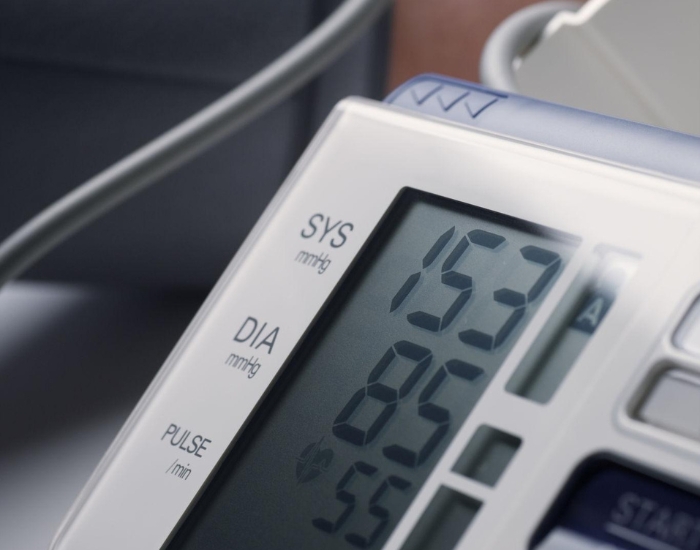
Have you ever looked at a blood pressure reading like 128/82 or 145/92 and wondered what those numbers actually mean? You’re certainly not alone. Every day, people leave a doctor’s office, pharmacy kiosk, or home blood pressure monitor with a reading in hand but little understanding of whether it’s normal, concerning, or something that requires immediate medical attention.
Blood pressure numbers can seem confusing at first, but they tell an important story about how hard your heart is working and how healthy your blood vessels are. A single reading doesn’t always provide the complete picture, yet consistently elevated numbers can increase the risk of heart disease, stroke, kidney disease, vision problems, and other serious health conditions. Understanding what your blood pressure numbers mean empowers you to make informed decisions about your health instead of relying on guesswork or internet myths.
In this guide, we’ll explain what systolic and diastolic blood pressure measure, how healthcare providers interpret different blood pressure categories, when lifestyle changes may be enough, and when it’s time to schedule a routine appointment, request a same-day evaluation, or seek emergency medical care. Whether you’ve recently had an elevated reading or simply want to better understand your cardiovascular health, this article will help you feel more confident about your next steps.
Table of Contents
- What Is Blood Pressure?
- Understanding the Two Blood Pressure Numbers
- Blood Pressure Categories Explained
- Does One High Reading Mean You Have Hypertension?
- What Can Temporarily Raise Blood Pressure?
- When Should You Call Your Primary Care Doctor?
- Important Note
- How Doctors Diagnose High Blood Pressure
- How to Check Blood Pressure Correctly at Home
- Frequently Asked Questions
- Final Thoughts
Important Note
Your blood pressure can change throughout the day, and one unexpected reading doesn’t always mean something is seriously wrong. However, repeatedly elevated numbers shouldn’t be ignored. Learning what your readings mean—and knowing when to seek medical care—can help prevent complications before they develop. Understanding your numbers today could make a significant difference to your heart, brain, and overall health tomorrow.
What Is Blood Pressure?
Blood pressure is the force of blood pushing against the walls of your arteries as your heart pumps blood throughout your body. Every heartbeat sends oxygen and nutrients to your organs, muscles, and tissues through an extensive network of blood vessels. Blood pressure measures how much force is needed to move that blood efficiently.
Your body constantly adjusts blood pressure based on what you’re doing. For example, your blood pressure naturally increases while exercising because your muscles require more oxygen. It usually decreases while you’re sleeping or relaxing because your heart doesn’t need to work as hard.
Problems arise when blood pressure stays consistently higher than normal over weeks, months, or years. This ongoing pressure places extra strain on your arteries and your heart, gradually increasing the risk of cardiovascular disease and other chronic health conditions.
Routine primary care wellness exams often identify elevated blood pressure long before symptoms appear, allowing treatment to begin early when it can be most effective.
Understanding the Two Blood Pressure Numbers
Every blood pressure reading contains two numbers written as one number over another—for example, 120/80 mmHg. Although they’re displayed together, each number measures something different, and both provide valuable information about your cardiovascular health.
What Is Systolic Blood Pressure?
The top number, called the systolic pressure, measures the pressure inside your arteries when your heart contracts and pumps blood to the rest of your body. Since this is the moment when your heart is working hardest, the systolic number is always the higher of the two.
If your systolic blood pressure remains elevated over time, it may indicate that your arteries have become stiffer or that your heart is working harder than it should to circulate blood.
What Is Diastolic Blood Pressure?
The bottom number is the diastolic pressure. It measures the pressure in your arteries while your heart relaxes between beats and refills with blood before the next contraction.
Although this number is lower, it’s just as important. Persistently elevated diastolic pressure can also increase the risk of cardiovascular disease and may influence treatment recommendations depending on your age and overall health.
Healthcare providers always evaluate both numbers together rather than focusing on only one. For example, someone may have a normal diastolic reading but an elevated systolic pressure that still requires monitoring or treatment.
Blood Pressure Categories Explained
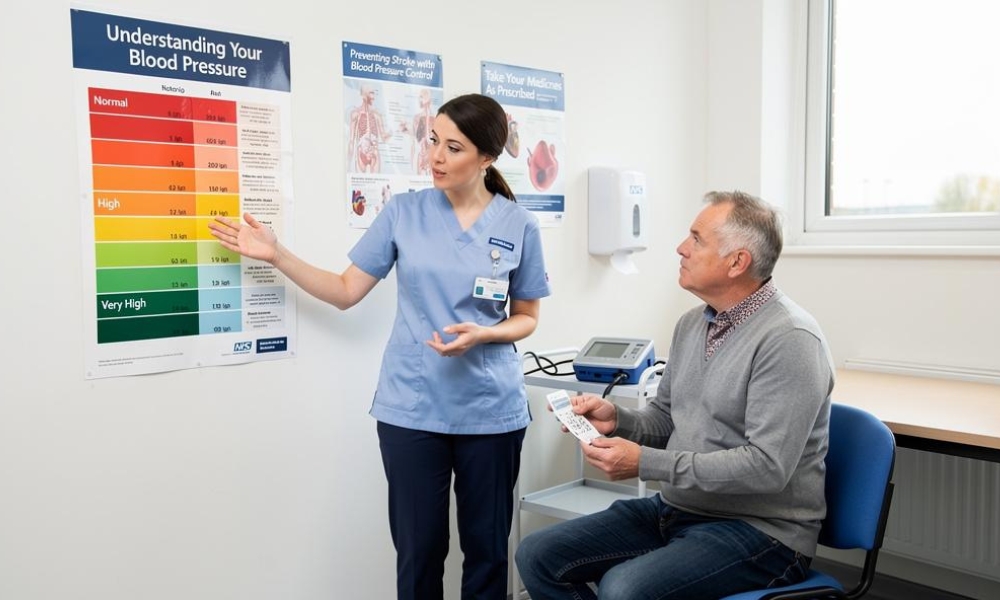
One of the most common questions patients ask is, “What is considered a normal blood pressure reading?” While your healthcare provider always considers your overall health, blood pressure is generally grouped into four main categories that help guide treatment decisions.
| Category | Systolic (Top Number) | Diastolic (Bottom Number) |
|---|---|---|
| Normal | Less than 120 | Less than 80 |
| Elevated | 120–129 | Less than 80 |
| Stage 1 Hypertension | 130–139 | 80–89 |
| Stage 2 Hypertension | 140 or higher | 90 or higher |
| Hypertensive Crisis* | 180 or higher | 120 or higher |
*A hypertensive crisis requires immediate medical evaluation, especially if accompanied by symptoms such as chest pain, shortness of breath, confusion, vision changes, or a severe headache.
It’s important to remember that healthcare providers don’t diagnose hypertension based solely on one reading. Instead, they evaluate patterns over time, repeat measurements, your medical history, and any underlying health conditions before making a diagnosis.
Does One High Reading Mean You Have High Blood Pressure?
In most cases, the answer is no. A single elevated reading doesn’t automatically mean you have chronic hypertension. Blood pressure naturally fluctuates throughout the day and can be influenced by many temporary factors.
For example, you may see a higher reading after climbing stairs, drinking several cups of coffee, rushing to an appointment, experiencing emotional stress, or even feeling anxious during a medical visit. These temporary increases don’t necessarily indicate a chronic medical condition.
This is one reason your primary care provider may recommend checking your blood pressure several times over a period of days or weeks before confirming a diagnosis. Looking at long-term trends provides a much clearer picture than relying on one isolated measurement.
Patients with repeated elevated readings may benefit from comprehensive evaluation through chronic disease management, where blood pressure, lifestyle factors, medications, and overall cardiovascular risk can all be assessed together.
What Can Temporarily Raise Blood Pressure?
If you’ve ever noticed your blood pressure seems higher at certain times than others, you’re not imagining it. Temporary increases are common and don’t always signal a medical emergency.
Some of the most common short-term causes include:
- Emotional stress or anxiety
- Physical activity or exercise
- Caffeine consumption
- Smoking or nicotine use
- Poor sleep the night before
- Pain or discomfort
- Certain over-the-counter medications, including some decongestants
- Talking or moving during the measurement
- A full bladder
These factors are one reason healthcare professionals emphasize taking blood pressure under consistent conditions. Sitting quietly for five minutes, keeping both feet flat on the floor, supporting your arm at heart level, and avoiding conversation during the measurement can improve accuracy.
If your readings remain elevated despite following proper technique, it’s time to discuss the results with your healthcare provider rather than assuming they’re simply caused by temporary stress.
When Should You Schedule a Primary Care Appointment?
One of the most common questions patients ask is, “My blood pressure was high today—do I need to see a doctor right away?” The answer depends on several factors, including your blood pressure reading, whether you’re experiencing symptoms, your medical history, and whether this is an isolated event or part of an ongoing pattern.
Rather than focusing on one number alone, it’s helpful to think about blood pressure in terms of urgency. Some situations can wait for a routine follow-up appointment, while others deserve same-day medical evaluation or immediate emergency care.
Schedule a Routine Appointment
If you’ve noticed mildly elevated blood pressure readings over several days or weeks but otherwise feel well, it’s a good idea to schedule a routine appointment with your primary care provider. This allows time to review your readings, evaluate possible risk factors, and determine whether additional monitoring or treatment is needed.
A routine visit is appropriate if you:
- Have repeated blood pressure readings above your usual range.
- Have a family history of hypertension or heart disease.
- Need a wellness exam after several years without seeing a healthcare provider.
- Want guidance on improving your blood pressure through healthy lifestyle changes.
- Need follow-up after being told you have elevated blood pressure during a pharmacy screening or workplace health check.
Regular annual physical exams help establish a baseline, making it easier to recognize changes before they lead to long-term health problems.
Request a Same-Day Appointment
Sometimes, elevated blood pressure should be evaluated more promptly—even if you’re not experiencing a medical emergency.
Consider requesting a same-day visit if:
- Your home blood pressure readings remain consistently high despite resting and repeating the measurement.
- You’ve recently been diagnosed with hypertension and your numbers are rising despite treatment.
- You’re experiencing new headaches, dizziness, or blurred vision along with elevated readings.
- You have diabetes, kidney disease, or another chronic condition that increases your cardiovascular risk.
- You’ve run out of blood pressure medication or are experiencing medication side effects.
Prompt evaluation allows your provider to determine whether medication adjustments, additional testing, or closer monitoring are appropriate before more serious complications develop.
When Should You Go to the Emergency Room?
Most cases of high blood pressure are not medical emergencies, but there are important exceptions. Extremely elevated blood pressure combined with concerning symptoms may indicate a hypertensive crisis or another life-threatening condition.
Seek emergency medical care immediately if you have very high blood pressure along with:
- Chest pain or pressure.
- Sudden shortness of breath.
- Difficulty speaking or understanding speech.
- Weakness or numbness affecting one side of the body.
- Sudden loss of vision or severe vision changes.
- Confusion or difficulty staying awake.
- A severe headache unlike your usual headaches.
- Loss of consciousness.
These symptoms could indicate a stroke, heart attack, hypertensive emergency, or another serious medical condition requiring immediate treatment. Don’t attempt to drive yourself if symptoms are severe—call emergency medical services right away.
What Is White Coat Hypertension?
Have you ever noticed your blood pressure seems higher at the doctor’s office than it is at home? This common phenomenon is known as white coat hypertension.
For some people, simply being in a medical setting can increase anxiety enough to temporarily raise blood pressure. The anticipation of an examination, concern about test results, or general nervousness can all contribute to a higher reading.
White coat hypertension doesn’t necessarily mean your blood pressure is always elevated, but it shouldn’t be ignored either. Research suggests that some individuals with white coat hypertension may still have an increased risk of developing sustained hypertension over time.
Your primary care provider may recommend checking your blood pressure at home or using ambulatory blood pressure monitoring over a 24-hour period to determine whether your readings remain elevated outside the clinic.
What Is Masked Hypertension?
Masked hypertension is essentially the opposite of white coat hypertension. In this situation, blood pressure appears normal during office visits but becomes elevated during everyday life.
Because office readings look reassuring, masked hypertension can sometimes go unnoticed unless home monitoring is performed. This is one reason healthcare providers often encourage patients with cardiovascular risk factors to periodically check their blood pressure outside the clinic.
If your home monitor consistently shows higher readings than those measured during medical appointments, don’t ignore the difference. Share your blood pressure log with your provider so the information can be reviewed in the context of your overall health.
Important Note
It’s completely understandable to feel anxious after seeing a higher-than-normal blood pressure reading. Fortunately, not every elevated number means you have chronic hypertension, and many people successfully improve their blood pressure through early medical care, healthy lifestyle changes, or appropriate treatment. Instead of assuming the worst—or ignoring the reading altogether—let a qualified primary care provider evaluate the bigger picture. A thoughtful assessment is always more reliable than self-diagnosis.
How Do Doctors Diagnose High Blood Pressure?
Diagnosing hypertension is much more comprehensive than taking your blood pressure once during an office visit. Your healthcare provider looks for consistent patterns rather than relying on a single measurement.
During your appointment, your provider will ask about your personal and family medical history, medications, lifestyle habits, diet, physical activity, sleep quality, tobacco use, alcohol consumption, and any symptoms you’ve been experiencing.
If your readings remain elevated, additional evaluation may include:
- Multiple blood pressure measurements taken on different days.
- Home blood pressure monitoring.
- Blood tests to evaluate kidney function, cholesterol, and blood sugar.
- Urinalysis.
- An electrocardiogram (EKG) if clinically indicated.
- Assessment for underlying medical conditions that may contribute to elevated blood pressure.
Patients with confirmed hypertension often benefit from ongoing hypertension management, where treatment plans can be adjusted over time based on individual health goals and changing medical needs.
How to Check Your Blood Pressure Correctly at Home
Home monitoring is one of the most valuable tools for understanding your true blood pressure. However, even the best monitor can produce misleading results if it’s used incorrectly.
To improve accuracy, try following these simple steps each time you measure your blood pressure:
- Rest quietly for at least five minutes before taking a reading.
- Avoid caffeine, smoking, and exercise for about 30 minutes beforehand.
- Sit in a chair with your back supported and both feet flat on the floor.
- Rest your arm on a table so the cuff is at heart level.
- Don’t talk during the measurement.
- Take two readings about one minute apart if recommended by your provider.
- Record the date, time, and both readings in a log.

Rather than worrying about one isolated number, pay attention to trends over time. Bringing a record of your readings to your appointment helps your healthcare provider make more informed treatment decisions.
If you’re looking for ongoing cardiovascular care or need help interpreting your blood pressure readings, an experienced primary care doctor in Round Rock can provide personalized guidance based on your health history, risk factors, and long-term wellness goals.
What Can You Do to Keep Your Blood Pressure in a Healthy Range?
Whether your blood pressure is currently normal or you’ve recently been told it’s elevated, the habits you practice every day play an important role in your long-term heart health. While medication is necessary for many people, healthy lifestyle choices remain one of the most effective ways to prevent hypertension, improve blood pressure control, and reduce the risk of heart disease and stroke.
The good news is that meaningful improvements don’t usually happen overnight—they happen through consistent, sustainable changes. Even small adjustments to your daily routine can make a noticeable difference over time.
Some of the most effective ways to support healthy blood pressure include:
- Eating more vegetables, fruits, whole grains, lean proteins, and heart-healthy fats.
- Reducing sodium by limiting highly processed and packaged foods.
- Staying physically active with regular exercise most days of the week.
- Maintaining a healthy body weight.
- Getting seven to nine hours of quality sleep each night.
- Managing stress through healthy coping strategies such as walking, meditation, hobbies, or spending time with loved ones.
- Avoiding tobacco products and limiting alcohol intake.
- Taking prescribed medications exactly as directed by your healthcare provider.
These healthy habits not only help control blood pressure but also improve cholesterol levels, blood sugar management, energy levels, and overall cardiovascular health.
Common Mistakes People Make When Reading Their Blood Pressure
Blood pressure monitors have become more accessible than ever, but many people unknowingly make simple mistakes that can affect the accuracy of their readings.
One of the most common errors is checking blood pressure immediately after climbing stairs, exercising, or rushing through the day. Physical activity naturally increases blood pressure for a short period, so it’s important to rest before taking a measurement.
Another common mistake is using a cuff that doesn’t fit properly. A cuff that’s too small or too large may produce inaccurate results. Talking during the measurement, crossing your legs, sitting without back support, or holding your arm below heart level can also influence the numbers.
It’s equally important not to become overly concerned about one isolated reading. Healthcare providers focus on patterns and trends rather than a single measurement. Consistent monitoring under similar conditions provides much more useful information than checking repeatedly throughout the day because of anxiety.
Why Regular Primary Care Visits Matter
Understanding your blood pressure numbers is only the first step. The next—and perhaps most important—step is working with a trusted primary care provider who can interpret those readings within the context of your overall health.
Blood pressure doesn’t exist in isolation. Factors such as cholesterol levels, diabetes, kidney function, thyroid disorders, medications, family history, age, weight, and lifestyle all influence your cardiovascular risk. Looking at the complete picture helps ensure you receive personalized recommendations rather than generic advice.
Routine primary care visits also allow your provider to identify subtle changes before they become more serious. If treatment is needed, regular follow-up appointments make it possible to adjust medications, monitor progress, answer questions, and support long-term success.
Comprehensive preventive screenings and routine health evaluations can identify not only hypertension but many other chronic conditions while they’re still easier to manage.
Comprehensive Blood Pressure Care in Round Rock
If you’re unsure what your blood pressure numbers mean, you’re not alone. Many adults have questions after receiving an elevated reading during a routine physical, pharmacy screening, or home measurement.
At Round Rock Primary Care, patients receive individualized care focused on prevention, early diagnosis, and long-term cardiovascular health. Whether you’re scheduling your first wellness visit, following up on elevated blood pressure readings, or managing an existing hypertension diagnosis, our team works with you to create a treatment plan that fits your lifestyle and health goals.
Through regular monitoring, patient education, preventive care, and evidence-based treatment, we help patients better understand their blood pressure and reduce the risk of future complications.
If it’s been more than a year since your last wellness exam—or you’ve recently noticed consistently elevated blood pressure readings—scheduling an appointment with a trusted primary care physician in Round Rock is an important step toward protecting your long-term health.
Frequently Asked Questions
Is 120/80 considered a normal blood pressure reading?
Yes. A blood pressure reading around 120/80 mmHg is generally considered within the normal range for most healthy adults. However, your healthcare provider will evaluate your readings alongside your age, medical history, medications, and overall cardiovascular risk.
Can my blood pressure change throughout the day?
Absolutely. Blood pressure naturally rises and falls throughout the day depending on your activity level, stress, sleep, meals, caffeine intake, medications, and other factors. This is why healthcare providers focus on repeated measurements instead of one isolated reading.
Should I worry about one high blood pressure reading?
Not necessarily. A single elevated reading doesn’t automatically mean you have hypertension. Rest for several minutes, repeat the measurement using proper technique, and monitor your readings over time. If elevated numbers continue or you’re experiencing concerning symptoms, schedule an appointment with your healthcare provider.
How often should I have my blood pressure checked?
Adults should have their blood pressure checked during routine wellness visits. People with hypertension, diabetes, kidney disease, or other cardiovascular risk factors may need more frequent monitoring based on their provider’s recommendations.
Can lifestyle changes lower blood pressure?
Yes. Many people improve their blood pressure by eating a heart-healthy diet, reducing sodium intake, exercising regularly, maintaining a healthy weight, getting adequate sleep, managing stress, and avoiding tobacco products. Some individuals also require medication to achieve healthy blood pressure levels.
When should I seek emergency care for high blood pressure?
If you have an extremely high blood pressure reading accompanied by chest pain, severe shortness of breath, sudden weakness, confusion, difficulty speaking, vision changes, or a severe headache, seek emergency medical care immediately.
Know Your Numbers, Protect Your Future
Your blood pressure numbers are more than just figures on a monitor—they’re an important indicator of your heart and overall health. Understanding what those numbers mean can help you recognize when everything is on track, when it’s time to schedule a routine appointment, and when prompt medical attention is needed.
Regular wellness exams, healthy lifestyle habits, and ongoing communication with your primary care provider are the foundation of effective blood pressure management. By taking a proactive approach today, you can significantly reduce your risk of heart disease, stroke, kidney disease, and other complications in the future.
If you live in Round Rock or the greater Austin area and have questions about your blood pressure readings, establishing care with an experienced primary care physician is one of the best investments you can make in your long-term health.
Medical Disclaimer
This article is provided for educational purposes only and should not be used as a substitute for professional medical advice, diagnosis, or treatment. Blood pressure readings should always be interpreted by a qualified healthcare provider within the context of your overall health. If you experience chest pain, stroke symptoms, difficulty breathing, or a hypertensive emergency, call 911 or seek emergency medical care immediately. For personalized evaluation and ongoing blood pressure management, schedule an appointment with your primary care provider.