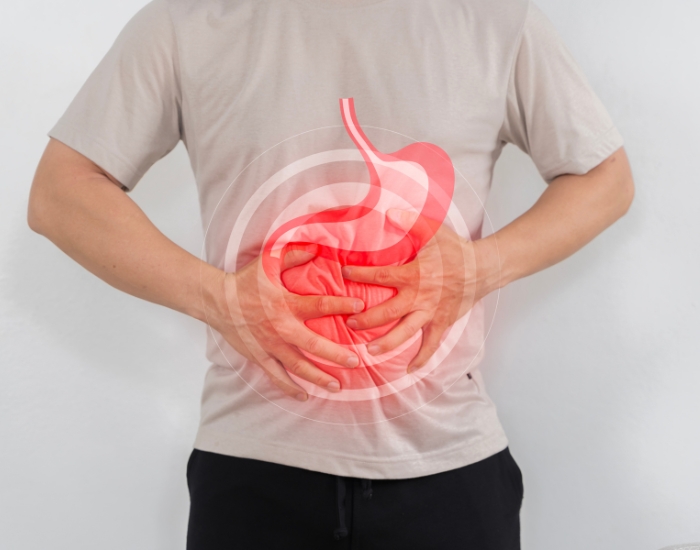
Almost everyone experiences stomach pain at some point, but when the discomfort suddenly becomes severe or doesn’t go away, it’s natural to wonder, “Should I wait it out, schedule a doctor’s appointment, or go straight to the emergency room?” The answer depends on several factors, including where the pain is located, how severe it is, how long it has lasted, and whether it’s accompanied by other symptoms such as fever, vomiting, diarrhea, or blood in your stool.
The good news is that many causes of abdominal pain are not medical emergencies. Conditions like indigestion, acid reflux, constipation, mild food poisoning, stomach viruses, urinary tract infections (UTIs), and gastritis can often be evaluated and treated by a primary care physician. On the other hand, severe abdominal pain, appendicitis, gallbladder disease, bowel obstruction, internal bleeding, or other serious conditions require immediate medical attention.
Knowing the difference can help you receive the right care without unnecessary delays. In this guide, we’ll explain the most common causes of stomach pain, describe warning signs that shouldn’t be ignored, and help you understand when a primary care visit is appropriate—and when you should head to the emergency room instead.
Table of Contents
- What Is Abdominal Pain?
- Different Types of Stomach Pain
- Common Causes of Abdominal Pain
- When a Primary Care Clinic Can Help
- When You Should Go to the Emergency Room
- Important Note
- How Primary Care Doctors Diagnose Abdominal Pain
- Treatment Options
- Preventing Common Causes of Stomach Pain
- Abdominal Pain Care in Round Rock
- Frequently Asked Questions
- Final Thoughts
Important Note
Not every stomach ache is serious, but abdominal pain should never be ignored if it’s severe, worsening, or accompanied by symptoms like persistent vomiting, high fever, bloody stools, fainting, or difficulty breathing. Understanding what your symptoms may mean can help you seek the right level of medical care early and potentially prevent serious complications.
What Is Abdominal Pain?
Abdominal pain refers to discomfort felt anywhere between your chest and pelvis. Because this area contains many important organs—including the stomach, intestines, liver, gallbladder, pancreas, kidneys, bladder, and reproductive organs—the source of pain isn’t always immediately obvious.
Some stomach pain develops suddenly and disappears within a few hours, while other cases gradually worsen over several days. The pain may be sharp, dull, burning, cramping, stabbing, aching, or feel like pressure. It may remain in one location or spread to your back, chest, shoulder, or groin depending on the underlying cause.
Healthcare providers don’t just ask, “Where does it hurt?” They also consider when the pain started, how it has changed over time, whether eating makes it better or worse, and whether other symptoms are present. These details often provide valuable clues that help narrow down the diagnosis.
Many cases can be safely evaluated during a same-day sick visit, allowing patients to receive prompt treatment without an emergency room visit when appropriate.

Different Types of Stomach Pain Can Mean Different Things
Although no two patients experience abdominal pain exactly the same way, the type and location of pain often provide important diagnostic clues.
Cramping Pain
Cramping is commonly associated with gas, constipation, diarrhea, stomach viruses, food intolerance, or menstrual cramps. The discomfort may come and go in waves and often improves after passing gas or having a bowel movement.
Burning Pain
A burning sensation in the upper abdomen or chest may suggest acid reflux (GERD), gastritis, or stomach ulcers. Some people notice symptoms after eating spicy foods, drinking coffee, or lying down soon after meals.
Sharp or Stabbing Pain
Sudden sharp pain deserves closer attention, especially if it’s severe or localized to one area. While muscle strain can sometimes cause localized discomfort, sharp pain may also occur with appendicitis, gallbladder disease, kidney stones, or other conditions requiring medical evaluation.
Dull or Aching Pain
A dull ache may be related to constipation, mild digestive disorders, urinary tract infections, or inflammation affecting abdominal organs. Persistent aching that continues for several days should be evaluated by a healthcare provider.
Severe Constant Pain
Pain that is intense, persistent, and progressively worsening should never be ignored. Although not every case is an emergency, severe abdominal pain can indicate conditions that require immediate medical treatment.
Common Causes of Stomach Pain
Because so many organs are located within the abdomen, stomach pain has dozens of possible causes. Fortunately, many of the most common conditions are treatable through primary care when evaluated promptly.
Acid Reflux (GERD)
Acid reflux occurs when stomach acid flows backward into the esophagus, causing burning discomfort in the upper abdomen or chest. Symptoms often worsen after eating large meals, consuming spicy foods, or lying down shortly after eating.
Constipation
Constipation is one of the most frequent reasons patients visit a primary care clinic for abdominal discomfort. Hard stools, infrequent bowel movements, bloating, and cramping can all contribute to stomach pain. Increasing fluids, dietary fiber, and physical activity often helps, although persistent constipation deserves medical evaluation.
Stomach Virus (Viral Gastroenteritis)
Often called the “stomach flu,” viral gastroenteritis commonly causes cramping, nausea, vomiting, diarrhea, fatigue, and mild fever. Most cases improve within several days with hydration and supportive care, but severe dehydration may require prompt medical attention.
Food Poisoning
Foodborne illnesses may develop within hours or days after eating contaminated food. Symptoms commonly include nausea, vomiting, diarrhea, stomach cramps, fever, and weakness. While many people recover at home, severe dehydration or prolonged symptoms should be evaluated by a healthcare provider.
Gastritis
Gastritis occurs when the stomach lining becomes irritated or inflamed. It may develop due to infections, certain medications, alcohol use, stress, or other factors. Symptoms often include upper abdominal pain, nausea, bloating, loss of appetite, or a burning sensation after eating.
Urinary Tract Infection (UTI)
Although many people associate UTIs with burning during urination, they can also cause lower abdominal pain, pelvic discomfort, urinary urgency, and increased frequency. Prompt treatment helps prevent the infection from spreading to the kidneys.
Many of these common conditions can be evaluated during a visit with a primary care physician in Round Rock, where your provider can perform an examination, recommend testing if necessary, and begin appropriate treatment.
When a Primary Care Clinic Is the Right Choice
Not every stomach ache requires a trip to the emergency room. In fact, many abdominal conditions can be safely diagnosed and treated by a primary care provider, often with shorter wait times and more personalized follow-up care.
You should consider scheduling a primary care appointment if your abdominal pain is mild to moderate, you’re able to eat and drink without significant difficulty, and your symptoms have remained stable rather than rapidly worsening.
Primary care clinics commonly evaluate:
- Acid reflux (GERD)
- Constipation
- Mild food poisoning
- Viral gastroenteritis (stomach virus)
- Urinary tract infections
- Gastritis
- Mild abdominal bloating
- Food intolerances
- Recurring indigestion
Your provider may recommend laboratory testing, urine testing, imaging studies, dietary changes, medications, or specialist referral depending on your symptoms and examination findings.
Seeking evaluation early can often prevent symptoms from becoming more severe and may help identify conditions before complications develop.
When Should You Go to the Emergency Room for Stomach Pain?
One of the biggest challenges with abdominal pain is knowing when it’s safe to wait and when immediate medical attention is necessary. While many digestive problems improve with time or can be treated by a primary care physician, certain symptoms may indicate a serious condition that requires emergency evaluation.
As a general rule, pain that is sudden, severe, rapidly worsening, or accompanied by concerning symptoms should never be ignored. Trust your instincts—if something feels significantly different than previous stomach aches you’ve experienced, it’s better to seek prompt medical care.
Seek Emergency Care Immediately If You Have:
- Sudden, severe abdominal pain that doesn’t improve.
- Pain that’s so intense you cannot stand upright or find a comfortable position.
- Persistent vomiting that prevents you from keeping fluids down.
- Vomiting blood or material that looks like coffee grounds.
- Bloody or black, tarry stools.
- A rigid, swollen, or extremely tender abdomen.
- High fever with severe abdominal pain.
- Difficulty breathing along with abdominal discomfort.
- Chest pain accompanied by upper abdominal pain.
- Fainting, confusion, or severe weakness.
- Pain after a significant injury or accident.
These symptoms may be associated with conditions such as appendicitis, internal bleeding, bowel obstruction, perforated ulcers, gallbladder infection, pancreatitis, ruptured abdominal aneurysm, or other life-threatening medical emergencies.
If you’re experiencing these symptoms, don’t attempt to diagnose yourself online or wait several hours to see if they improve. Call 911 or go to your nearest emergency department immediately.
Emergency Conditions That Can Cause Severe Abdominal Pain
Although most stomach pain isn’t life-threatening, several serious conditions require immediate diagnosis and treatment. Recognizing the warning signs can make a significant difference in outcomes.
Appendicitis
Appendicitis occurs when the appendix becomes inflamed and infected. Pain often begins around the belly button before moving to the lower right side of the abdomen. As inflammation worsens, the pain usually becomes sharper and more constant.
Other common symptoms include:
- Loss of appetite
- Nausea or vomiting
- Low-grade fever
- Pain that worsens with movement, coughing, or walking
Without treatment, the appendix can rupture, allowing infection to spread throughout the abdomen. This is why suspected appendicitis always requires emergency evaluation.
Gallbladder Disease
Gallstones or inflammation of the gallbladder often cause pain in the upper right abdomen, particularly after eating fatty meals. The discomfort may radiate to the back or right shoulder and can be accompanied by nausea or vomiting.
Persistent pain lasting several hours deserves prompt medical evaluation because untreated gallbladder disease may lead to infection or other complications.
Pancreatitis
Inflammation of the pancreas can cause severe pain in the upper abdomen that often radiates into the back. Many patients describe the pain as constant and intense rather than cramping.
Nausea, vomiting, fever, and abdominal tenderness commonly accompany pancreatitis, which often requires hospitalization.
Bowel Obstruction
An intestinal blockage prevents food and fluids from moving normally through the digestive tract. Symptoms may include severe cramping, abdominal swelling, inability to pass gas or stool, nausea, and repeated vomiting.
This condition requires immediate medical evaluation because prolonged obstruction can damage the intestines.
Internal Bleeding
Bleeding inside the digestive tract may cause black, tarry stools, vomiting blood, dizziness, weakness, fainting, or severe abdominal pain. Internal bleeding is always considered a medical emergency.
Important Note
Reading about serious causes of abdominal pain can understandably feel overwhelming, but it’s important to remember that most stomach pain is not caused by a life-threatening emergency. Common conditions like constipation, acid reflux, viral stomach infections, and mild food poisoning are seen every day in primary care clinics and often improve with appropriate treatment. The key is paying attention to how severe your symptoms are, whether they’re getting worse, and whether warning signs such as persistent vomiting, high fever, or bloody stools are present. When you’re unsure, it’s always appropriate to contact a healthcare professional for guidance rather than trying to guess the cause yourself.
How Primary Care Doctors Diagnose Abdominal Pain
Because abdominal pain has many possible causes, your healthcare provider begins by gathering as much information as possible before recommending treatment. A careful history and physical examination often provide important clues that narrow down the diagnosis.
Your provider may ask questions such as:
- Where exactly is the pain located?
- When did the pain begin?
- Did it start suddenly or gradually?
- Is the pain sharp, burning, cramping, dull, or stabbing?
- Does eating make it better or worse?
- Have you experienced nausea, vomiting, diarrhea, constipation, or fever?
- Have you noticed blood in your stool or urine?
- Have you recently traveled or eaten unfamiliar foods?
- Do you have any chronic medical conditions or previous abdominal surgeries?
After discussing your symptoms, your provider will perform a physical examination by gently pressing on different areas of your abdomen to identify tenderness, swelling, guarding, or other findings that help determine the source of pain.
Depending on your symptoms, additional testing may include:
- Blood tests to evaluate infection, inflammation, liver function, kidney function, or pancreatic enzymes.
- Urinalysis to identify urinary tract infections or kidney-related problems.
- Stool testing if a gastrointestinal infection is suspected.
- Pregnancy testing when appropriate.
- Ultrasound imaging to evaluate the gallbladder, kidneys, or other abdominal organs.
- CT scans when more detailed imaging is needed.
Many patients can receive an accurate diagnosis without extensive testing, particularly when symptoms and examination findings point toward common digestive conditions.

Treatment Depends on the Underlying Cause
There isn’t a single treatment that works for every type of stomach pain because the underlying causes vary so widely. Instead, treatment focuses on identifying what’s causing the discomfort and addressing that specific condition.
For example, acid reflux may improve with dietary modifications and medications that reduce stomach acid. Constipation is often treated with increased hydration, dietary fiber, physical activity, and, when appropriate, medications. Bacterial urinary tract infections usually require antibiotics, while viral stomach infections typically improve with rest, hydration, and supportive care.
If testing identifies a more serious condition—such as appendicitis, gallbladder disease, or bowel obstruction—your provider will arrange immediate referral for emergency treatment or surgical evaluation.
For patients experiencing recurring digestive symptoms, ongoing care through chronic disease management can help monitor long-term gastrointestinal conditions and reduce future flare-ups.
Treatment Options for Common Causes of Stomach Pain
Once your healthcare provider identifies the cause of your abdominal pain, treatment can be tailored to your specific condition. While many patients hope for a quick fix, the most effective treatment depends on understanding what’s causing the discomfort rather than simply masking the pain.
For digestive conditions such as acid reflux or gastritis, treatment often includes medications to reduce stomach acid, avoiding trigger foods, eating smaller meals, and making lifestyle adjustments that reduce irritation to the stomach lining.
Constipation may improve with increased water intake, dietary fiber, regular exercise, and, when appropriate, stool softeners or other medications recommended by your healthcare provider. Rather than relying on over-the-counter laxatives for long periods, it’s important to identify why constipation is occurring, especially if symptoms become frequent or severe.
If food poisoning or a viral stomach illness is responsible, the primary goal is preventing dehydration while allowing your body time to recover. Drinking plenty of fluids, replacing lost electrolytes, and gradually returning to a normal diet are often recommended. However, prolonged vomiting, severe diarrhea, or signs of dehydration should prompt medical evaluation.
Urinary tract infections generally require antibiotics, while conditions such as appendicitis, gallbladder disease, bowel obstruction, or internal bleeding often require emergency treatment or surgery.
The important message is this: treating stomach pain effectively starts with identifying the underlying cause rather than guessing. That’s why persistent or unexplained abdominal pain should always be evaluated by a qualified healthcare professional.
Can You Prevent Stomach Pain?
Although not every cause of abdominal pain can be prevented, many digestive problems are linked to everyday habits that support overall gastrointestinal health.
Simple lifestyle choices can lower your risk of developing many common digestive conditions while also improving your general well-being.
Healthy habits include:
- Eating a balanced diet rich in fruits, vegetables, whole grains, and lean proteins.
- Drinking enough water throughout the day.
- Limiting highly processed and greasy foods.
- Practicing proper food safety by storing and preparing food correctly.
- Avoiding excessive alcohol consumption.
- Staying physically active to support healthy digestion.
- Managing stress through healthy coping strategies.
- Not ignoring recurring digestive symptoms.
- Scheduling regular wellness visits with your primary care provider.
Preventive care is often overlooked until symptoms become severe. Regular primary care wellness exams give your healthcare provider an opportunity to identify risk factors early and address digestive concerns before they become more serious.
Compassionate Abdominal Pain Care in Round Rock
When stomach pain disrupts your day, having access to a trusted primary care clinic can make all the difference. Many patients aren’t sure whether their symptoms require emergency care or whether they can safely begin with a same-day office visit. That’s where an experienced primary care team can help.
At Round Rock Primary Care, we evaluate a wide variety of abdominal complaints, including acid reflux, gastritis, constipation, food poisoning, stomach viruses, urinary tract infections, and many other non-emergency digestive concerns. Our goal is to identify the underlying cause, recommend appropriate testing when needed, and develop a treatment plan that helps you recover as quickly and safely as possible.
If your symptoms suggest a more serious condition requiring emergency treatment, we’ll ensure you receive prompt referral to the appropriate level of care. Your health and safety always come first.
Whether you’re experiencing new digestive symptoms or recurring abdominal discomfort, our team is committed to providing personalized, evidence-based care for adults and families throughout Round Rock and the greater Austin area.
Frequently Asked Questions
When should I worry about stomach pain?
You should seek medical evaluation if your abdominal pain is severe, continues to worsen, lasts longer than expected, or is accompanied by fever, persistent vomiting, bloody stools, vomiting blood, fainting, chest pain, or difficulty breathing. These symptoms may indicate a condition requiring urgent or emergency treatment.
Can a primary care doctor treat stomach pain?
Yes. Primary care physicians commonly diagnose and treat many causes of abdominal pain, including acid reflux, gastritis, constipation, stomach viruses, food poisoning, urinary tract infections, and other non-emergency digestive conditions. They can also determine when additional testing or specialist referral is needed.
How do I know if my stomach pain is appendicitis?
Appendicitis often begins with pain near the belly button before moving to the lower right side of the abdomen. The pain typically becomes more severe over time and may be accompanied by nausea, vomiting, fever, and loss of appetite. Suspected appendicitis should always be evaluated in an emergency department.
Should I eat if my stomach hurts?
It depends on the cause of your symptoms. Mild digestive illnesses may improve with small, bland meals and adequate hydration, while severe abdominal pain may require immediate medical evaluation before eating or drinking. If you’re unable to keep fluids down or have persistent vomiting, seek medical care promptly.
Can stress cause stomach pain?
Yes. Stress and anxiety can contribute to digestive symptoms such as stomach cramps, nausea, bloating, indigestion, and changes in bowel habits. However, persistent or severe abdominal pain should never be assumed to be caused by stress alone until other medical conditions have been ruled out.
How long should stomach pain last before seeing a doctor?
If mild stomach pain doesn’t improve within a day or two, continues returning, or interferes with your normal activities, schedule an appointment with your primary care provider. Earlier evaluation is recommended if symptoms are worsening or accompanied by other concerning signs.
The Bottom Line: Don’t Ignore Persistent Stomach Pain
Stomach pain is one of the most common reasons people seek medical care, yet it’s also one of the most misunderstood symptoms. While many causes—such as constipation, acid reflux, gastritis, food poisoning, or stomach viruses—can often be successfully treated in a primary care clinic, some symptoms require immediate emergency evaluation.
Paying attention to where the pain occurs, how severe it is, how long it lasts, and whether it’s accompanied by warning signs can help you make informed decisions about your care. When in doubt, it’s always better to seek medical advice rather than delaying evaluation.
If you’re experiencing abdominal pain in Round Rock or the surrounding communities, establishing care with an experienced primary care provider ensures you receive timely evaluation, appropriate treatment, and guidance on whether additional testing or emergency care is necessary. Early diagnosis not only provides peace of mind but can also prevent complications and support a faster recovery.
Medical Disclaimer
This article is intended for educational purposes only and should not be considered a substitute for professional medical advice, diagnosis, or treatment. Abdominal pain can have many different causes, ranging from mild digestive conditions to life-threatening emergencies. If your symptoms are severe, rapidly worsening, or accompanied by chest pain, difficulty breathing, persistent vomiting, bloody stools, vomiting blood, fainting, or signs of shock, call 911 or seek emergency medical care immediately. For non-emergency abdominal pain, consult a qualified healthcare provider for an accurate diagnosis and personalized treatment plan.