Many people are familiar with high blood pressure, but fewer understand what causes low blood pressure and how it can affect overall health. Low blood pressure, also known as hypotension, occurs when blood pressure readings fall below normal levels. While some individuals naturally have lower blood pressure without symptoms, others may experience dizziness, fatigue, fainting, or even serious complications.
Understanding what causes low blood pressure is important because the condition can range from mild and harmless to potentially dangerous. In some cases, it may signal an underlying medical issue that requires prompt attention. Therefore, recognizing symptoms early and seeking medical evaluation when needed can prevent complications.
This article explains about low blood pressure, associated risk factors, symptoms, diagnostic steps, treatment options, and when to seek medical care.
Table of Contents
- Understanding Low Blood Pressure
- What Causes Low Blood Pressure?
- Risk Factors
- Symptoms of Low Blood Pressure
- Diagnosis and Evaluation
- Treatment and Management
- Prevention and Lifestyle Guidance
- When to Seek Medical Care
- Clinic-Based Evaluation – Round Rock Primary Care
- FAQs
- Final Thoughts
Understanding Low Blood Pressure
Blood pressure measures the force of blood pushing against artery walls. It is recorded as two numbers:
- Systolic pressure (top number): pressure when the heart beats
- Diastolic pressure (bottom number): pressure when the heart rests
Normal blood pressure is typically around 120/80 mmHg. Low blood pressure is generally defined as readings below 90/60 mmHg.
However, not everyone with low readings experiences symptoms. Therefore, understanding what causes low blood pressure helps determine whether it is harmless or requires medical care.
What Causes Low Blood Pressure?
Several factors can explain low blood pressure. These causes may be temporary, chronic, or related to an underlying condition.
Dehydration
First, dehydration is a common cause. When the body loses more fluids than it takes in, blood volume decreases. As a result, blood pressure drops. Vomiting, diarrhea, fever, or excessive sweating can all contribute.
Heart Conditions
Certain heart problems also explain what causes low blood pressure. For example:
- Slow heart rate (bradycardia)
- Heart valve issues
- Heart attack
- Heart failure
When the heart cannot pump effectively, blood pressure may fall.
Endocrine Disorders
Hormonal imbalances may also contribute. Conditions such as adrenal insufficiency, thyroid disorders, and low blood sugar can interfere with blood pressure regulation.
Severe Infection (Sepsis)
In serious infections, blood vessels may widen dramatically. Consequently, blood pressure can drop suddenly, which requires emergency care.
Blood Loss
Significant blood loss from injury, surgery, or internal bleeding reduces blood volume. Therefore, this is an important factor in understanding what causes low blood pressure in emergency settings.
Medications
Certain medications can lower blood pressure as a side effect. These may include:
- Diuretics
- Beta-blockers
- Antidepressants
- Medications for high blood pressure
Adjusting medication under medical supervision often helps manage symptoms.
Pregnancy
During pregnancy, blood vessels expand to support the growing baby. As a result, temporary low blood pressure may occur, especially in early pregnancy.
Postural (Orthostatic) Hypotension
Another explanation for what causes low blood pressure is orthostatic hypotension. This occurs when blood pressure drops suddenly upon standing, leading to dizziness or fainting.
Risk Factors
Certain individuals are more likely to develop hypotension. Risk factors include:
- Advanced age
- Prolonged bed rest
- Chronic illness
- Poor nutrition
- Dehydration
- Heart disease
Understanding these risks helps clarify what causes low blood pressure in different populations.
Symptoms of Low Blood Pressure
Symptoms vary depending on severity and underlying cause. Mild cases may not cause noticeable problems. However, more significant drops in blood pressure may lead to:
- Dizziness or lightheadedness
- Fainting (syncope)
- Blurred vision
- Fatigue
- Nausea
- Confusion
- Weakness
- Cold, clammy skin (in severe cases)
Importantly, symptoms often appear suddenly. Therefore, identifying what causes low blood pressure early is critical.
Diagnosis and Evaluation
When evaluating what causes low blood pressure, healthcare providers begin with a detailed history and physical examination.
Blood Pressure Monitoring
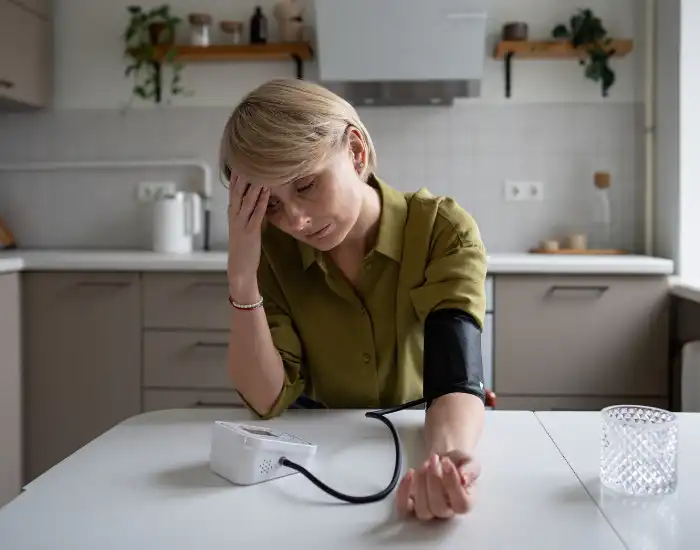
Multiple readings may be taken while sitting, standing, and lying down to assess for orthostatic changes.
Blood Tests
Blood work may help detect anemia, infection, hormone imbalance, or low blood sugar.
Heart Evaluation
An electrocardiogram (ECG) or echocardiogram may be ordered if heart-related causes are suspected.
Additional Testing
In some cases, tilt-table testing may be performed to evaluate postural hypotension.
Accurate diagnosis ensures appropriate treatment.
Treatment and Management
Treatment depends on what causes low blood pressure in each individual.
Increasing Fluid Intake
If dehydration is the cause, increasing fluids can quickly improve blood pressure.
Adjusting Medications
If medications are responsible, dosage changes under medical supervision may be necessary.
Dietary Changes
Increasing salt intake slightly (under medical guidance) may help certain patients.
Treating Underlying Conditions
Addressing thyroid disorders, heart conditions, or infections can stabilize blood pressure.
Wearing Compression Stockings
In cases of orthostatic hypotension, compression garments may help improve circulation.
Medications
In chronic cases, specific medications may be prescribed to raise blood pressure.
Prevention and Lifestyle Guidance
Although not all causes are preventable, patients can reduce risk by:
- Staying hydrated
- Eating balanced meals
- Standing up slowly
- Avoiding prolonged standing
- Monitoring blood pressure regularly
These steps are particularly important for individuals at risk of recurrent hypotension.
When to Seek Medical Care
Immediate medical attention is required if low blood pressure is accompanied by:
- Chest pain
- Shortness of breath
- Severe dizziness
- Fainting
- Confusion
- Signs of shock (cold skin, rapid breathing)
Additionally, persistent symptoms should be evaluated to determine what causes low blood pressure and prevent complications.
Clinic-Based Evaluation – Round Rock Primary Care
Round Rock Primary Care provides evaluation and management for patients experiencing symptoms related to hypotension and blood pressure fluctuations. Services include hypertension consultation, walk-in visits, and scheduled primary care appointments. Insurance coverage is accepted to support accessible medical care. The clinic is located at 3000 Joe Dimaggio Blvd, Suite 65, Round Rock, TX 78665. Patients from Round Rock, Brushy Creek, Hutto, Pflugerville, Wells Branch, Windemere, Forest Creek, Teravista, Paloma Lake, Stone Oak, North Austin, and Jollyville commonly seek evaluation for blood pressure concerns and ongoing preventive care.
FAQs
1. Is low blood pressure always dangerous?
No. Some people naturally have low blood pressure without symptoms. However, sudden drops require evaluation.
2. Can dehydration cause low blood pressure?
Yes. Dehydration is one of the most common causes.
3. When should I worry about low blood pressure?
You should seek care if symptoms such as fainting, chest pain, or confusion occur.
4. Can medications cause low blood pressure?
Yes. Several medications may lower blood pressure as a side effect.
5. Can low blood pressure be prevented?
Some cases can be managed through hydration, diet, and monitoring, but not all are preventable.
Final Thoughts
Understanding what causes low blood pressure helps patients recognize symptoms early and seek appropriate care. While some cases are mild and temporary, others may indicate serious health concerns. Therefore, persistent or severe symptoms should never be ignored. Timely evaluation and proper management can significantly improve safety and overall health.
Medical Disclaimer: This article is for educational purposes only and does not replace professional medical advice, diagnosis, or treatment. Always consult a qualified healthcare provider regarding low blood pressure or any related health condition.