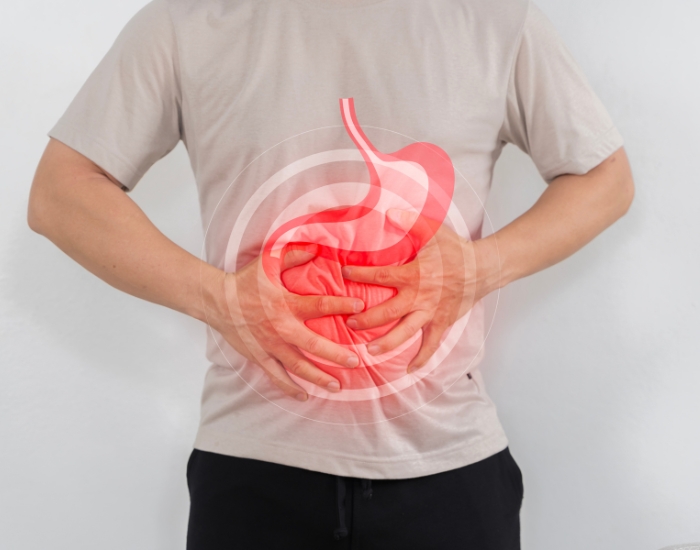
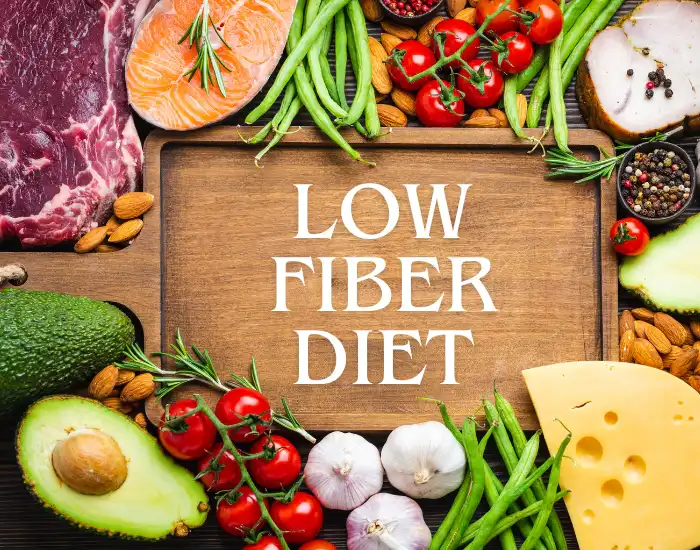
A colonoscopy is a common medical procedure used to examine the large intestine for abnormalities such as polyps, inflammation, or early signs of colorectal disease. Proper preparation is essential for accurate results. One of the most important steps is following a low fiber colonoscopy diet in the days leading up to the procedure.
Low-fiber pre-colonoscopy diet helps reduce undigested material in the colon. As a result, it allows clearer visualization during the examination. Without proper dietary preparation, stool residue may interfere with the procedure, potentially leading to incomplete or inaccurate results.
This guide explains what a pre-colonoscopy low-residue diet includes, foods to eat and avoid, how long to follow it, and tips for proper preparation.
What Is a Low Fiber Colonoscopy Diet?
A colonoscopy preparation low-fiber diet is a short-term eating plan that limits foods high in fiber. Fiber is normally beneficial for digestive health, but before a colonoscopy, it can leave residue in the intestines.
Therefore, this diet focuses on low-residue foods that are easier to digest and leave minimal waste behind. Typically, it is followed for 2–3 days before the procedure, depending on medical instructions.
Why a Low Fiber Colonoscopy Diet Is Important
Following a colonoscopy preparation low-fiber diet is essential for several reasons:
Improves Colon Cleansing
First, it helps ensure that the colon is clean and free of undigested food particles. This improves the accuracy of the examination.
Enhances Visibility
Next, a clear colon allows healthcare providers to detect small polyps or abnormalities more effectively.
Reduces Procedure Delays
In addition, proper dietary preparation reduces the risk of rescheduling the colonoscopy due to inadequate bowel preparation.
Foods to Eat on a Low Fiber Colonoscopy Diet
During the colonoscopy preparation low-fiber diet, patients should focus on easily digestible, low-residue foods.
Refined Grains
Refined grains are low in fiber and easy on the digestive system.
- White rice
- White bread
- Plain pasta
- Refined cereals (non-whole grain)
Lean Proteins
Protein sources without fiber are encouraged.
- Skinless chicken
- Fish
- Eggs
- Tofu
- Lean turkey
Dairy Products
In moderation, dairy is generally allowed unless otherwise instructed.
- Milk
- Yogurt (plain)
- Cheese
Clear Soups and Broths
Clear liquids and strained soups are often recommended.
- Chicken broth
- Vegetable broth
- Clear consommé
Cooked Vegetables (Without Skin or Seeds)
Some well-cooked vegetables may be included in small amounts.
- Carrots
- Zucchini (peeled)
- Green beans (well cooked)
Foods to Avoid on a Low Fiber Colonoscopy Diet
Certain foods should be strictly avoided because they increase stool residue.
Whole Grains
- Brown rice
- Whole wheat bread
- Oats
- Quinoa
- Bran cereals
Raw Fruits and Vegetables
- Apples with skin
- Berries
- Leafy greens
- Raw carrots
- Broccoli
Nuts and Seeds
- Almonds
- Walnuts
- Chia seeds
- Flaxseeds
- Sunflower seeds
Legumes
- Beans
- Lentils
- Chickpeas
- Peas
High-Fiber Snacks
- Popcorn
- Granola
- High-fiber crackers
Avoiding these foods ensures the pre-colonoscopy low-residue diet is effective.
How Long to Follow a Low Fiber Colonoscopy Diet
Typically, patients are advised to follow a pre-colonoscopy low-residue diet for 2 to 3 days before the procedure. However, instructions may vary depending on individual health conditions and physician recommendations.
In many cases, the low fiber phase is followed by a clear liquid diet one day before the colonoscopy.
Sample Low Fiber Colonoscopy Diet Plan
A typical day on a colonoscopy preparation low-fiber diet may include:
Breakfast
- White toast with eggs
- Plain yogurt
- Water or tea without milk additives
Lunch
- Grilled chicken
- White rice
- Cooked carrots
- Clear broth
Dinner
- Baked fish
- Mashed potatoes (no skin)
- Soft cooked zucchini
Snacks
- Crackers made from refined flour
- Cheese slices
- Plain pudding
This structure helps maintain nutrition while minimizing fiber intake.
Hydration During a Low Fiber Colonoscopy Diet
Hydration plays a key role in preparation. Drinking enough fluids helps keep the digestive system functioning smoothly.
Recommended fluids include:
- Water
- Clear broths
- Electrolyte drinks
- Clear juices without pulp
Avoid beverages with seeds, pulp, or high fiber content.
Common Mistakes to Avoid
Even when following a pre-colonoscopy low-residue diet, certain mistakes can affect preparation quality:
Eating Hidden Fiber
Many processed foods contain hidden fiber ingredients. Always check labels carefully.
Not Following Timing Instructions
Ignoring timing guidelines can lead to incomplete bowel preparation.
Consuming Red or Purple Foods
These colors may interfere with colon visualization and should be avoided.
Benefits of Following a Low Fiber Colonoscopy Diet Correctly
Following a low fiber colonoscopy diet correctly provides several important benefits that directly improve the quality and accuracy of the procedure. First and foremost, it helps ensure more accurate test results by allowing the colon to be properly cleared. As a result, healthcare providers can clearly visualize the intestinal lining without obstruction from leftover food particles.
In addition, proper adherence significantly reduces the need for repeat procedures. When the bowel is not adequately prepared, the colonoscopy may need to be rescheduled, which can cause inconvenience and delay diagnosis. Therefore, careful dietary compliance helps avoid unnecessary repetition of the procedure.
Moreover, a well-followed low fiber colonoscopy diet improves the detection of abnormalities such as polyps, inflammation, or early signs of disease. Because the colon is cleaner, even small changes become easier to identify. This ultimately supports earlier diagnosis and better clinical outcomes.
Furthermore, patients often experience a smoother bowel preparation process when dietary instructions are followed correctly. Since the digestive system contains less residue, the cleansing phase becomes more effective and less stressful overall.
Overall, following instructions carefully plays a direct and essential role in the success of the colonoscopy procedure. Consistency, attention to detail, and proper preparation all contribute to safer and more reliable results.
When to Contact a Doctor Before Colonoscopy
Patients should contact a healthcare provider if they experience:
- Severe constipation before preparation
- Difficulty tolerating dietary restrictions
- Chronic digestive conditions (IBS, IBD)
- Diabetes requiring medication adjustments
Medical guidance ensures safe preparation.
Primary Care Support in Round Rock, TX
Round Rock Primary Care is located at 3000 Joe Dimaggio Blvd, Suite 65, Round Rock, TX 78665. The clinic provides preventive care, digestive health evaluation, chronic disease management, and pre-procedure guidance for colonoscopy preparation. Consultation, walk-in visits, and appointment-based care. Most major insurance plans are accepted. The clinic serves patients in Round Rock and nearby communities within a 10-mile radius, offering accessible primary care support for ongoing and preventive health needs.
Frequently Asked Questions
What is a colonoscopy preparation low-fiber diet?
It is a short-term diet that limits high-fiber foods to prepare the colon for a clear examination.
How long should I follow a colonoscopy preparation low-fiber diet?
Usually 2–3 days before the procedure, followed by a clear liquid diet.
Can I eat eggs on a pre-colonoscopy low-residue diet?
Yes, eggs are allowed as they contain no fiber.
What foods should I strictly avoid?
Avoid whole grains, nuts, seeds, raw vegetables, and legumes.
Why is the diet important before a colonoscopy?
It ensures the colon is clean, improving accuracy and reducing the need for repeat procedures.
Final Thoughts
A properly followed colonoscopy preparation low-fiber diet is essential for successful colon preparation. By choosing low-residue foods and avoiding high-fiber items, patients help ensure clearer results and a smoother procedure. Careful adherence to dietary instructions supports better diagnostic accuracy and overall digestive health evaluation.
Medical Disclaimer: This article is for informational purposes only and does not replace professional medical advice. Always follow your healthcare provider’s instructions regarding colonoscopy preparation. If you have specific health conditions, consult your doctor before making dietary changes.