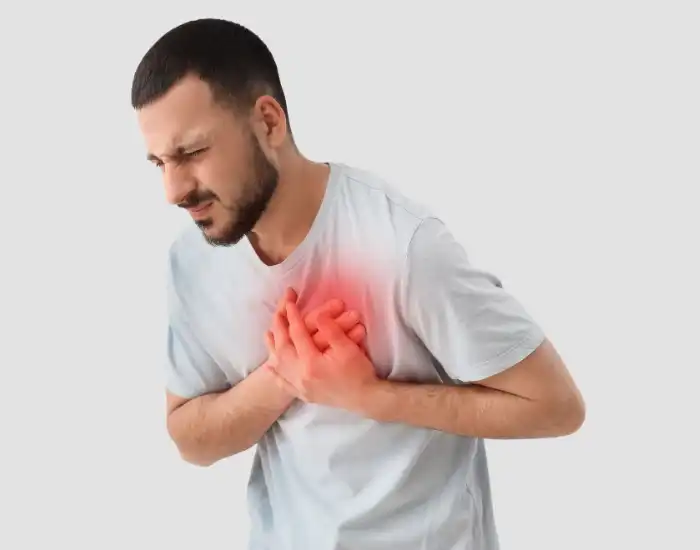
Heart failure is a serious but manageable medical condition that affects millions of adults in the United States. Despite the name, heart failure does not mean the heart has stopped working. Instead, it means the heart is not pumping blood as effectively as it should. As a result, the body may not receive enough oxygen and nutrients to function properly. Recognizing the signs and symptoms of heart failure early is critical. Many patients initially ignore mild symptoms, assuming they are related to aging, stress, or fatigue. However, early detection allows for timely treatment, better symptom control, and improved long-term outcomes.
This guide explains the signs and symptoms of heart failure, what causes the condition, how it is diagnosed, treatment options, and when medical care is necessary.
Table of Contents
- What Is Heart Failure?
- Early Signs and Symptoms of Heart Failure
- Advanced Symptoms
- Causes of Heart Failure
- Risk Factors
- How Heart Failure Is Diagnosed
- Treatment and Management Options
- Lifestyle Changes and Prevention
- When to Seek Medical Care
- Clinic-Based Evaluation – Round Rock Primary Care
- FAQs
- Final Thoughts
What Is Heart Failure?
Heart failure occurs when the heart muscle becomes too weak or too stiff to pump blood efficiently. Consequently, blood may back up into the lungs, abdomen, or legs, leading to fluid buildup.
There are two primary types:
- Left-sided heart failure (most common)
- Right-sided heart failure
In many cases, the signs and symptoms of heart failure depend on which side of the heart is affected and how severe the condition has become.
Early Signs and Symptoms of Heart Failure
Recognizing early warning signs can prevent complications. The most common signs and symptoms of heart failure include:
Shortness of Breath
One of the earliest symptoms is shortness of breath, especially during physical activity. Over time, breathing difficulty may occur even at rest.
Fatigue and Weakness
Because the heart cannot pump enough blood, muscles receive less oxygen. As a result, patients often feel tired even after minimal activity.
Swelling (Edema)
Fluid retention commonly causes swelling in the legs, ankles, or feet. Shoes may feel tighter, and socks may leave noticeable marks.
Rapid or Irregular Heartbeat
The heart may attempt to compensate by beating faster. Therefore, palpitations may occur.
Persistent Cough
A cough that produces white or pink-tinged mucus can indicate fluid buildup in the lungs.
These early signs and symptoms of heart failure often worsen gradually if left untreated.
Advanced Symptoms
As heart failure progresses, symptoms may become more severe.
Difficulty Breathing While Lying Down
Patients may need extra pillows to sleep comfortably. This occurs because fluid shifts toward the lungs when lying flat.
Sudden Weight Gain
Rapid weight gain from fluid retention is one of the important signs and symptoms of heart failure.
Abdominal Swelling
Fluid can accumulate in the abdomen, causing discomfort and bloating.
Reduced Exercise Tolerance
Activities that were once easy may become difficult.
Confusion or Difficulty Concentrating
In severe cases, reduced blood flow to the brain may affect cognitive function.
Recognizing these advanced signs and symptoms of heart failure requires prompt medical attention.
Causes of Heart Failure
Several underlying conditions may damage the heart over time.
Coronary Artery Disease
Blocked arteries reduce blood flow to the heart muscle.
High Blood Pressure
Uncontrolled hypertension forces the heart to work harder, eventually weakening it.
Heart Attack
Damage from a previous heart attack can permanently reduce heart function.
Heart Valve Disease
Malfunctioning valves disrupt normal blood flow.
Cardiomyopathy
Disease of the heart muscle can impair pumping ability.
Understanding the cause helps determine the best treatment plan once the signs and symptoms of heart failure appear.
Risk Factors
Certain individuals are more likely to develop heart failure. Risk factors include:
Managing these factors can reduce the likelihood of developing the signs and symptoms of heart failure.
How Heart Failure Is Diagnosed
Healthcare providers use several tools to diagnose heart failure.
Medical History and Physical Exam
Providers assess reported signs and symptoms of heart failure and listen for abnormal heart or lung sounds.
Blood Tests
Blood tests can detect markers associated with heart stress.
Imaging Tests
An echocardiogram evaluates heart structure and pumping function.
Electrocardiogram (ECG)
An ECG identifies rhythm abnormalities.
Chest X-ray
This test may reveal fluid in the lungs or an enlarged heart.
Early diagnosis improves management of the signs and symptoms of heart failure.
Treatment and Management Options
Although heart failure cannot always be reversed, treatment can significantly improve quality of life.
Medications
Doctors may prescribe:
- ACE inhibitors
- Beta-blockers
- Diuretics
- ARBs
- Aldosterone antagonists
These medications help reduce fluid buildup and improve heart function.
Lifestyle Modifications
Patients are encouraged to:
- Limit sodium intake
- Monitor daily weight
- Stay physically active within safe limits
- Stop smoking
- Limit alcohol
Medical Devices or Procedures
In advanced cases, pacemakers or implantable defibrillators may be needed.
Consistent treatment reduces the severity of the signs and symptoms of heart failure and prevents hospitalizations.
Lifestyle Changes and Prevention
Preventing heart failure begins with heart-healthy habits.
First, controlling blood pressure is essential. In addition, maintaining a healthy weight reduces strain on the heart.
Regular physical activity improves circulation. Furthermore, managing diabetes and cholesterol levels lowers risk.
By addressing these factors early, individuals may reduce the likelihood of developing the signs and symptoms of heart failure later in life.
When to Seek Medical Care
Immediate medical attention is required if any of the following occur:
- Sudden severe shortness of breath
- Chest pain
- Fainting
- Rapid weight gain over a few days
- Severe swelling
- Confusion
Additionally, worsening signs and symptoms of heart failure should never be ignored. Early intervention can prevent serious complications.
Clinic-Based Evaluation – Round Rock Primary Care
Round Rock Primary Care provides evaluation and ongoing management for patients experiencing the signs and symptoms of heart failure or other cardiovascular concerns. Services include hypertension consultation, chronic disease management, walk-in visits, and scheduled appointments. Insurance is accepted to ensure accessible care. The clinic is located at 3000 Joe Dimaggio Blvd, Suite 65, Round Rock, TX 78665. Patients from Round Rock, Brushy Creek, Hutto, Pflugerville, Wells Branch, Windemere, Forest Creek, Teravista, Paloma Lake, Stone Oak, North Austin, and Jollyville commonly seek evaluation for heart-related symptoms and preventive care.