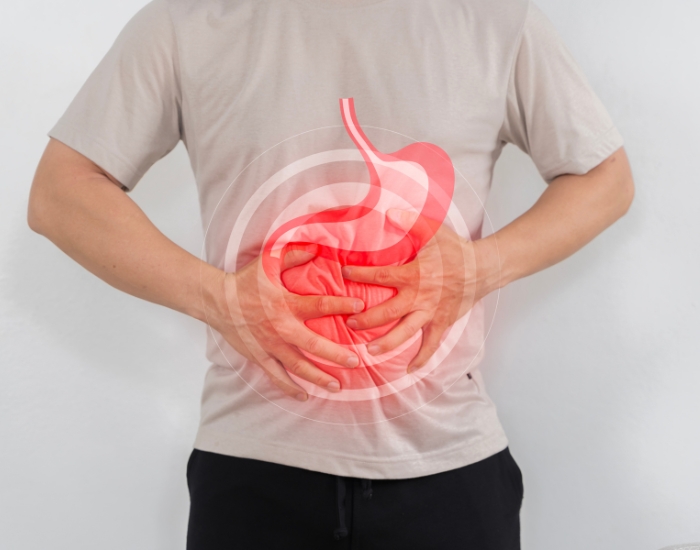

Have you ever finished a meal — maybe a sandwich, pasta dish, or plate of rice — only to feel both still hungry and suddenly tired? It’s confusing, frustrating, and honestly, a bit uncomfortable. If this happens regularly, you’re not alone. Many people experience that draining slump after eating, and there are several possible explanations.
In this article, we’ll explain the common causes of feeling tired and hungry after meals, what your body is trying to tell you, when it might point to an underlying condition, and what you can do to improve post-meal energy and appetite control.
What Does It Mean to Feel Tired and Hungry After Meals?
After eating, your body shifts energy toward digestion. This can make you feel a bit relaxed or sleepy — especially after a large meal. But when you feel both tired and still hungry, it suggests that your body may not be receiving or using energy efficiently.
Feeling tired and hungry after eating may occur after certain foods, but it can also be tied to your metabolism, blood sugar levels, hormones, digestion, or lifestyle patterns. Understanding why it happens can help you make simple changes that improve how you feel.
Why Do People Feel Tired After Eating?
Normal Digestive Response
Digestion requires energy. When you eat:
- Blood flow increases to your digestive tract
- Hormones like insulin are released
- Your body breaks down food into nutrients
All of this takes energy and can divert blood flow from other systems temporarily, making you feel relaxed or sluggish.
This effect is more noticeable after large meals or meals high in carbohydrates.
Why You Might Still Feel Hungry After Eating
Feeling hungry even after eating can happen when your body:
- Didn’t get enough calories
- Didn’t get the right mix of nutrients
- Is responding to fast digestion
- Has a hormone signal imbalance
Hunger isn’t just about the amount of food — it’s also about how your body senses nutrients arriving in your bloodstream.
Common Causes of Feeling Tired and Hungry After Meals
Here are the most frequent reasons people experience this pattern:
1. Meals High in Simple Carbohydrates
Foods like white bread, sugary snacks, and refined grains are digested quickly and spike your blood sugar. After the spike, blood sugar can drop rapidly — leaving you feeling tired and hungry again.
Typical pattern:
- Quick energy boost
- Rapid sugar drop
- Increased hunger
- Fatigue
Balancing carbohydrates with protein and healthy fats can slow digestion and keep energy steadier.
2. Low Protein Intake
Protein triggers hormones that signal satiety (feeling full). Without enough protein, you may eat calories but still feel “empty” afterward.
Good protein sources include:
- Eggs
- Lean meats
- Beans
- Greek yogurt
- Nuts and seeds
3. High Sugar or Sweetened Beverages With Meals
Drinks like soda, sweet tea, or fruit juice deliver calories without nutrients. They can also cause a sharp rise and fall in blood sugar — leading to hunger and tiredness soon after eating.
4. Dehydration
Thirst and hunger can feel similar. When your body is dehydrated, it may trigger signals that make you think you’re hungry — even when you’re not.
If you haven’t had enough water before or during a meal, you may feel tired afterward as your body diverts energy to balance hydration.
5. Lack of Sleep
Poor sleep affects hormones like ghrelin and leptin that regulate hunger. When you’re sleep-deprived, you may:
- Feel hungrier after eating
- Crave carbohydrates
- Feel fatigued soon after meals
Getting enough quality sleep can improve hunger signals and energy levels.
6. Certain Digestive Conditions
Some digestive issues can also cause persistent hunger or fatigue after eating, such as:
- Irritable bowel syndrome (IBS)
- Delayed gastric emptying (gastroparesis)
- Food intolerances
If you regularly have discomfort, bloating, or irregular bowel habits, talk to a clinician for evaluation.
When It Might Be More Than Just a “Food Choice”
While meals high in refined carbohydrates or low in protein can contribute, sometimes persistent feeling tired and hungry after meals may point to underlying conditions that deserve attention.
Possible Blood Sugar Regulation Issues
Conditions like insulin resistance or prediabetes may show early signs as:
- Feeling tired after meals
- Strong hunger soon after eating
- Cravings for sweets
- Difficulty losing weight
If you notice these patterns regularly, your body may be signaling that blood sugar control isn’t optimal.
Anemia (Low Iron Levels)
Anemia can lead to:
- Weakness
- Fatigue
- Persistent hunger
- Pale skin
- Difficulty concentrating
This condition is common, especially in women and individuals with heavy menstrual cycles. A simple blood test can check for anemia.
Thyroid Disorders
The thyroid gland regulates metabolism. When it’s underactive (hypothyroidism), symptoms may include:
- Low energy
- Weight changes
- Feeling cold
- Persistent hunger
If fatigue after meals is part of a larger pattern of symptoms, thyroid testing may be helpful.
How Eating Habits Affect Energy and Appetite
Small changes in how and what you eat can help reduce fatigue and hunger after meals.
Focus on Balance
A balanced plate often includes:
- Lean protein (helps you feel full longer)
- Complex carbohydrates (beans, whole grains, vegetables)
- Healthy fats (avocado, olive oil, nuts)
- Fiber-rich vegetables (slows digestion, stabilizes energy)
This combination gives your body the nutrients it needs steadily.
Eat Regularly
Skipping meals can cause:
- Low blood sugar
- Overeating at the next meal
- Fatigue
- Strong hunger signals
Aim for consistent meal times.
Stay Hydrated
Drinking water before meals can help reduce unnecessary hunger cues and maintain energy.
Minimize Sugary Drinks
Choose water, herbal tea, or unsweetened beverages instead of sweetened drinks that can disrupt blood sugar and leave you tired.
Lifestyle Factors That Influence Mealtime Hunger & Energy
Besides food, your overall lifestyle plays a key role.
Improve Sleep Quality
Adults need around 7-9 hours of sleep per night. Good sleep supports proper hormone balance and stable energy during the day.
Stay Physically Active
Regular exercise improves insulin sensitivity, supports appetite regulation, and boosts energy levels.
Manage Stress
High stress increases cortisol — a hormone that can increase cravings and appetite, especially for carbs.
Meditation, mindful breathing, and moderate exercise can help reduce stress.
When to Seek Medical Evaluation
You should consider talking with a healthcare provider if you experience:
- Feeling tired and hungry after meals regularly
- Unexplained weight changes
- Loud cravings shortly after eating
- Weakness or dizziness
- Trouble concentrating
- Symptoms lasting more than a few weeks
If these patterns continue despite changes to diet and lifestyle, an evaluation can help identify underlying issues.
What to Expect During a Clinical Evaluation
At Round Rock Primary Care, your provider may:
- Ask about your symptoms and eating habits
- Review your medical history and medications
- Perform a physical exam
- Order blood tests such as:
- Complete blood count
- Blood sugar checks
- Thyroid function tests
- Iron levels
These tests help determine whether nutrient levels, hormones, or blood sugar regulation could be contributing.
Who Is Most at Risk?
Certain groups may be more likely to experience fatigue and persistent hunger after eating:
- People with irregular eating routines
- Individuals with high-carbohydrate diets
- Those with poor sleep habits
- Adults with diabetes or prediabetes
- People with hormone imbalances
- Anyone under long-term stress
If you belong to one or more of these groups, changes to lifestyle combined with medical evaluation can support better energy and appetite regulation.
Tips for Better Post-Meal Energy & Appetite Control
Here are practical steps you can start today:
- Add protein to breakfast (eggs, yogurt, nuts)
- Choose whole grains instead of refined carbs
- Drink water before meals
- Get regular sleep
- Eat at regular times each day
- Avoid excessive sugary drinks
- Include vegetables with every meal
These habits can help reduce the pattern of feeling tired and hungry after meals over time.
About Round Rock Primary Care – Evaluation for Fatigue and Post-Meal Symptoms in Round Rock TX
At Round Rock Primary Care, located at 3000 Joe Dimaggio Blvd, Suite 65, Round Rock, TX 78665, comprehensive primary care services are provided for patients experiencing symptoms such as feeling tired and hungry after meals, fatigue, blood sugar fluctuations, and related metabolic concerns. Services include preventive care, chronic disease management, diagnostic testing, and nutritional and lifestyle counseling. Most major insurance plans are accepted, making care accessible for patients. The clinic serves Round Rock and nearby communities within 10 miles, including Brushy Creek, Hutto, Pflugerville, Wells Branch, Windemere, Forest Creek, Teravista, Paloma Lake, Stone Oak, North Austin, and Jollyville, ensuring convenient access to quality healthcare.
Final Thoughts
Feeling tired and hungry after meals can be more than just a food reaction — it may signal how your body processes energy and nutrients. Often, small changes in diet and lifestyle make a big difference. But when these symptoms are persistent, frequent, or accompanied by other warning signs, it’s wise to seek professional evaluation.
Understanding your body’s hunger and energy patterns empowers you to make better choices and supports your overall wellbeing.
Call (512) 733-6464 to schedule online to book your visit today.
Medical Disclaimer: This article is intended for educational purposes and does not replace personalized medical advice. If you experience severe, ongoing, or worsening symptoms, or if you are concerned about your health, please consult a qualified healthcare provider.