
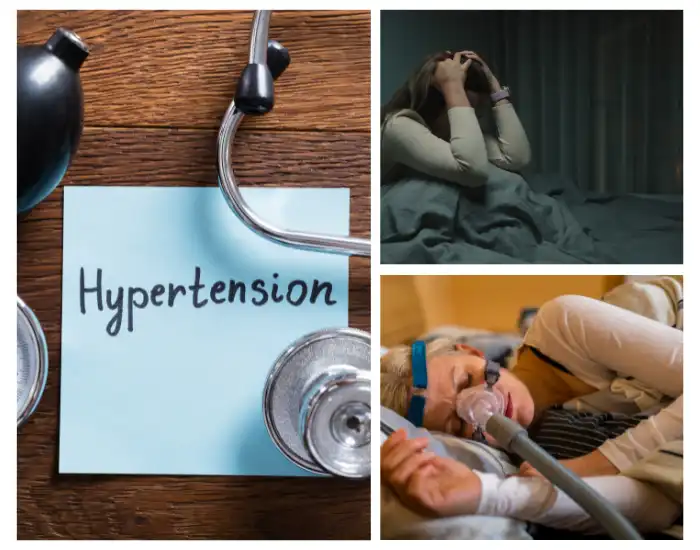
Hypertension, commonly known as high blood pressure, is a chronic condition that affects millions of adults worldwide. It often develops silently, but over time, it can impact multiple body systems. Many patients also report symptoms such as anxiety and disturbed sleep, which raises an important question: can hypertension cause anxiety and sleep apnea?
While hypertension does not always directly cause these conditions, there is a strong and complex relationship between them. In many cases, they influence each other, creating a cycle that can worsen overall health if left unmanaged.
This article explains how hypertension, anxiety, and sleep apnea are connected, explores symptoms, identifies risk factors, and discusses when medical care is necessary.
Table of Contents
- Understanding Hypertension
- What Is Anxiety and How It Affects the Body
- What Is Sleep Apnea?
- Can Hypertension Cause Anxiety?
- Can Hypertension Cause Sleep Apnea?
- How Anxiety and Sleep Apnea Affect Blood Pressure
- Shared Risk Factors
- Symptoms to Watch For
- Diagnosis and Evaluation
- Treatment and Management Options
- Lifestyle Changes to Improve All Three Conditions
- When to Seek Medical Care
- Primary Care Evaluation in Round Rock, TX
- Frequently Asked Questions
- Final Thoughts
Understanding Hypertension
Hypertension occurs when the force of blood against artery walls remains consistently too high. Over time, this increased pressure can strain the heart, blood vessels, kidneys, and other organs.
Often, hypertension develops without noticeable symptoms, which is why it is sometimes called a “silent condition.” However, when symptoms do appear, they may include headaches, dizziness, or chest discomfort.
Because hypertension affects circulation and the nervous system, it may also influence emotional and sleep-related health.
What Is Anxiety and How It Affects the Body
Anxiety is a natural stress response, but when it becomes persistent, it can affect both mental and physical health. It often triggers symptoms such as:
- Rapid heartbeat
- Restlessness
- Difficulty concentrating
- Muscle tension
- Sleep disturbances
Over time, anxiety activates the body’s stress response system. As a result, blood pressure may increase temporarily or remain elevated in some individuals.
What Is Sleep Apnea?
Sleep apnea is a sleep disorder where breathing repeatedly stops and starts during sleep. The most common type is obstructive sleep apnea (OSA), which occurs when airway muscles relax excessively.
Common symptoms include:
- Loud snoring
- Gasping during sleep
- Daytime fatigue
- Morning headaches
- Poor concentration
Sleep apnea is closely linked with cardiovascular health, including hypertension.
Can Hypertension Cause Anxiety?
Hypertension and anxiety are closely connected, although the relationship is often indirect. While hypertension itself does not always directly cause anxiety, it can contribute to anxiety symptoms in several ways.
First, awareness of high blood pressure can create worry or fear about long-term health risks. In addition, physical symptoms such as palpitations or headaches may trigger anxiety responses.
Furthermore, stress hormones released during anxiety episodes can temporarily raise blood pressure, creating a cycle where both conditions influence each other.
Therefore, in many cases, hypertension and anxiety coexist and reinforce one another rather than having a one-way cause-and-effect relationship.
Can Hypertension Cause Sleep Apnea?
Hypertension does not directly cause sleep apnea. However, both conditions are strongly linked and often occur together.
In fact, sleep apnea is considered a significant risk factor for developing high blood pressure. Repeated breathing interruptions during sleep reduce oxygen levels, which activates stress responses in the body. Over time, this can contribute to sustained hypertension.
Conversely, uncontrolled hypertension may worsen sleep quality and contribute to nighttime disturbances. Therefore, while one does not directly cause the other, they are closely interconnected.
How Anxiety and Sleep Apnea Affect Blood Pressure
The relationship between these conditions is complex. Anxiety can temporarily increase blood pressure due to stress hormone release. Similarly, sleep apnea causes repeated oxygen drops, which activate the cardiovascular system and raise blood pressure over time.
As a result, individuals may experience:
- Fluctuating blood pressure levels
- Increased nighttime blood pressure spikes
- Poor sleep quality
- Daytime fatigue and stress
This cycle can make management more challenging without proper medical care.
Shared Risk Factors
Hypertension, anxiety, and sleep apnea often share common risk factors, including:
- Obesity
- Sedentary lifestyle
- Chronic stress
- Smoking
- Alcohol use
- Poor sleep habits
- Family history of cardiovascular disease
Because of these shared factors, addressing lifestyle habits can improve all three conditions simultaneously.
Symptoms to Watch For
When hypertension, anxiety, and sleep apnea occur together, symptoms may overlap.
Common signs include:
- Persistent high blood pressure readings
- Frequent anxiety or panic episodes
- Loud snoring or interrupted breathing during sleep
- Daytime sleepiness
- Morning headaches
- Chest discomfort
- Irritability or mood changes
When these symptoms appear together, medical evaluation is strongly recommended.
Diagnosis and Evaluation
Healthcare providers evaluate these conditions using a combination of tests and clinical assessments.
Hypertension:
- Repeated blood pressure measurements
- Blood tests
- Heart function evaluation
Anxiety:
- Clinical assessment
- Psychological screening tools
Sleep apnea:
- Sleep studies (polysomnography)
- Home sleep testing
Because these conditions are interconnected, comprehensive evaluation is often necessary.
Treatment and Management Options
Treatment depends on the severity and combination of conditions.
Blood Pressure Management
- Lifestyle changes
- Antihypertensive medications
- Regular monitoring
Anxiety Management
- Stress reduction techniques
- Therapy or counseling
- Medications when needed
Sleep Apnea Treatment
- CPAP therapy
- Weight management
- Sleep position adjustments
Treating one condition often improves the others.
Lifestyle Changes That Support All Three Conditions
In many cases, lifestyle improvements play a major role in recovery.
- Maintain a healthy weight
- Exercise regularly
- Reduce salt intake
- Limit caffeine and alcohol
- Improve sleep hygiene
- Practice stress management techniques
These changes can significantly reduce the impact of hypertension, anxiety, and sleep apnea.
When to Seek Medical Care
Medical evaluation is important if you experience:
- Consistently high blood pressure
- Frequent anxiety attacks
- Loud snoring with breathing pauses
- Severe daytime fatigue
- Chest pain or shortness of breath
Early diagnosis helps prevent complications and improves long-term outcomes.
Primary Care Evaluation in Round Rock, TX
Round Rock Primary Care is located at 3000 Joe Dimaggio Blvd, Suite 65, Round Rock, TX 78665. The clinic provides evaluation and management for hypertension, anxiety-related symptoms, sleep concerns, and overall cardiovascular health. Services include preventive care, chronic disease management, walk-in visits, and scheduled appointments. Most major insurance plans are accepted. The clinic serves patients in Round Rock and nearby communities within a 10-mile radius, offering comprehensive primary care support.
Frequently Asked Questions
Can hypertension directly cause anxiety?
Not directly, but it can contribute to anxiety symptoms and stress responses.
Is sleep apnea related to high blood pressure?
Yes. Sleep apnea is strongly associated with increased risk of hypertension.
Can treating sleep apnea lower blood pressure?
Yes. Effective treatment often improves blood pressure control.
Can anxiety raise blood pressure permanently?
Anxiety usually causes temporary increases, but chronic stress may contribute to long-term hypertension.
Should I treat all three conditions together?
Yes. Because they are interconnected, treating them together often provides better outcomes.
Final Thoughts
Hypertension is a chronic condition that often interacts with both mental health and sleep quality. While it may not directly cause anxiety or sleep apnea in every case, there is a strong and well-documented connection between these conditions. When blood pressure remains elevated, the body experiences ongoing stress responses, which can contribute to anxiety symptoms. Similarly, sleep apnea can worsen blood pressure control, creating a cycle that affects overall cardiovascular health.
Understanding the relationship behind Can Hypertension Cause Anxiety and Sleep Apnea helps patients recognize that these conditions are often interconnected rather than isolated. Therefore, managing one condition may positively influence the others. With early diagnosis, lifestyle changes, and appropriate medical care, individuals can improve blood pressure control, reduce anxiety symptoms, and support healthier sleep patterns over time.
Medical Disclaimer: This article is for informational purposes only and does not replace professional medical advice, diagnosis, or treatment. Always consult a licensed healthcare provider for evaluation and management of hypertension, anxiety, or sleep-related conditions.