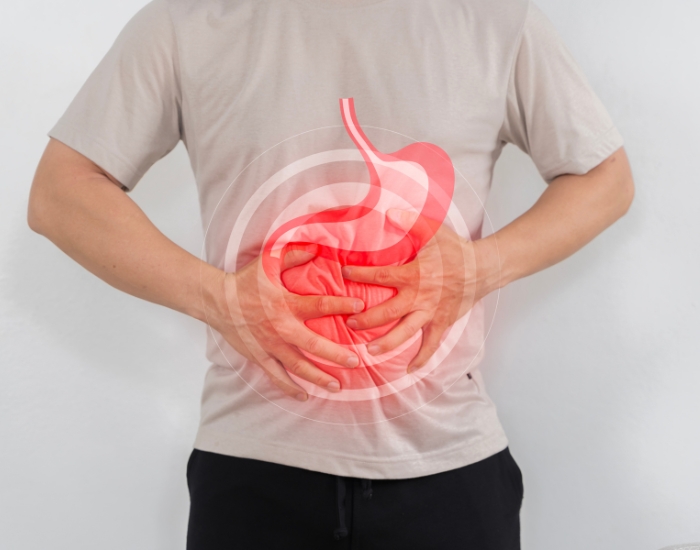
Dietary fiber plays a crucial role in maintaining digestive health and overall wellness. Despite its importance, many adults do not consume enough fiber daily. As a result, issues such as constipation, weight gain, high cholesterol, and blood sugar imbalance become more common.
Understanding the highest dietary fiber foods helps individuals make informed nutritional choices. By incorporating fiber-rich foods into daily meals, it becomes easier to support heart health, digestive regularity, and metabolic balance.
This article explains what dietary fiber is, outlines the highest dietary fiber foods, describes health benefits, and provides guidance on safely increasing fiber intake.
What Is Dietary Fiber?
Dietary fiber is a type of carbohydrate found in plant-based foods. Unlike other carbohydrates, fiber is not fully digested by the body. Instead, it passes through the digestive tract, where it supports multiple essential functions.
There are two main types of fiber:
Soluble Fiber
Soluble fiber dissolves in water and forms a gel-like substance. It helps lower cholesterol and regulate blood sugar levels. Common sources include oats, beans, and certain fruits.
Insoluble Fiber
Insoluble fiber does not dissolve in water. Instead, it adds bulk to stool and promotes regular bowel movements. Whole grains, vegetables, and seeds are excellent sources.
Most of the highest dietary fiber foods contain a combination of both types.
Health Benefits of Eating the Highest Dietary Fiber Foods
Increasing fiber intake offers several proven health benefits.
Improved Digestive Health
Fiber promotes regular bowel movements and prevents constipation. Additionally, it supports beneficial gut bacteria, which contribute to overall digestive balance.
Heart Health Support
Soluble fiber helps lower LDL (bad) cholesterol levels. Therefore, diets rich in the highest dietary fiber foods may reduce the risk of heart disease.
Blood Sugar Regulation
Fiber slows the absorption of sugar into the bloodstream. As a result, it helps stabilize blood glucose levels, especially in individuals with diabetes or insulin resistance.
Weight Management
High-fiber foods promote fullness and reduce overeating. Because fiber slows digestion, individuals may feel satisfied longer after meals.
Reduced Risk of Chronic Disease
Research links adequate fiber intake to a lower risk of colon cancer, type 2 diabetes, and cardiovascular disease.
Highest Dietary Fiber Foods to Include in Your Diet
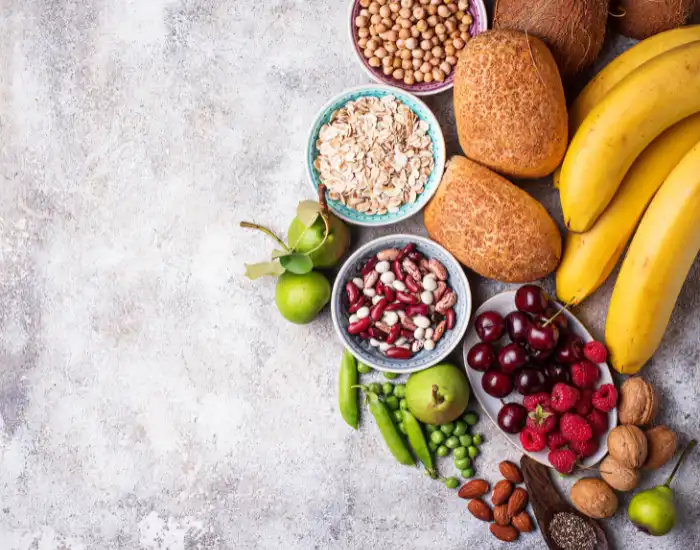
The following foods rank among the highest dietary fiber foods available. Adding them consistently can significantly improve daily fiber intake.
Legumes
Legumes are among the richest sources of fiber.
- Lentils
- Black beans
- Chickpeas
- Kidney beans
- Split peas
For example, one cup of cooked lentils contains approximately 15 grams of fiber. Because legumes are also high in protein, they provide dual nutritional benefits.
Whole Grains
Whole grains retain the bran layer, which contains fiber.
- Oats
- Quinoa
- Barley
- Brown rice
- Whole wheat pasta
Choosing whole grains instead of refined grains increases fiber intake substantially.
Vegetables
Certain vegetables are especially high in fiber.
- Broccoli
- Brussels sprouts
- Carrots
- Artichokes
- Sweet potatoes
Artichokes, in particular, rank among the highest dietary fiber foods in the vegetable category.
Fruits
Many fruits contain significant fiber, especially when eaten with the skin.
- Raspberries
- Pears
- Apples
- Bananas
- Avocados
Raspberries and pears are especially high in fiber compared to other fruits.
Nuts and Seeds
Nuts and seeds provide both fiber and healthy fats.
- Chia seeds
- Flaxseeds
- Almonds
- Pistachios
- Sunflower seeds
Chia seeds are particularly notable among the highest dietary fiber foods, offering nearly 10 grams of fiber per ounce.
How Much Fiber Do Adults Need?
The recommended daily fiber intake varies by age and sex:
- Women: approximately 21–25 grams per day
- Men: approximately 30–38 grams per day
However, most adults consume significantly less than recommended amounts.
Gradually increasing fiber intake helps prevent digestive discomfort.
How to Safely Increase Fiber Intake
Although adding the highest dietary fiber foods to your diet offers benefits, it is important to increase intake gradually.
Increase Slowly
Sudden increases in fiber may cause bloating or gas. Therefore, add fiber-rich foods gradually over several weeks.
Drink Adequate Water
Fiber works best when combined with sufficient hydration. Drinking enough water helps fiber move smoothly through the digestive tract.
Balance Soluble and Insoluble Fiber
Including a variety of plant-based foods ensures balanced fiber intake.
Read Nutrition Labels
Nutrition labels list fiber content per serving. Comparing products helps identify the highest dietary fiber foods.
Potential Side Effects of Excess Fiber
While fiber is beneficial, excessive intake may cause:
- Bloating
- Gas
- Abdominal discomfort
- Constipation (if fluid intake is low)
Therefore, moderation and gradual increases are essential.
Individuals with certain digestive conditions, such as inflammatory bowel disease or intestinal strictures, should consult a healthcare provider before significantly increasing fiber intake.
Fiber and Chronic Conditions
Fiber and Diabetes
High-fiber diets improve blood sugar control. Therefore, individuals with diabetes often benefit from prioritizing the highest dietary fiber foods.
Fiber and Cholesterol
Soluble fiber binds cholesterol in the digestive tract, reducing its absorption.
Fiber and Constipation
Fiber adds bulk to stool and supports regular bowel movements.
When to Seek Medical Advice About Fiber Intake
Although increasing fiber is generally safe, certain situations require medical guidance.
Consult a healthcare provider if you experience:
- Persistent abdominal pain
- Severe bloating
- Unexplained weight loss
- Ongoing constipation despite high fiber intake
- Blood in the stool
Additionally, individuals with digestive disorders should discuss dietary changes with a medical professional.
Primary Care Support in Round Rock, TX
Round Rock Primary Care is located at 3000 Joe Dimaggio Blvd, Suite 65, Round Rock, TX 78665. The clinic provides preventive care, digestive health evaluation, chronic disease management, and nutritional counseling. Consultation and both walk-in and appointment-based visits are available. Most major insurance plans are accepted. The clinic serves Round Rock and nearby communities within 10 miles, supporting comprehensive primary care services.
Frequently Asked Questions
What are the highest dietary fiber foods overall?
Legumes such as lentils and beans, chia seeds, artichokes, and whole grains rank among the highest dietary fiber foods.
Can too much fiber be harmful?
Yes. Excessive fiber without adequate water intake may cause bloating or constipation.
How quickly should I increase fiber intake?
Fiber should be increased gradually over several weeks to minimize digestive discomfort.
Does cooking reduce fiber content?
Cooking may slightly reduce fiber in some foods, but most fiber remains intact.
Are fiber supplements as effective as food sources?
Whole foods are preferred because they provide additional nutrients. However, supplements may be helpful when recommended by a healthcare provider.
Final Thoughts
Incorporating the highest dietary fiber foods into daily meals supports digestive health, heart function, and metabolic balance. Because most adults consume less fiber than recommended, gradual dietary improvements can significantly impact long-term health. Individuals with ongoing digestive concerns should seek professional evaluation before making major dietary changes.
Medical Disclaimer: This article is for informational purposes only and does not constitute medical advice. Always consult a licensed healthcare professional before making significant dietary changes, especially if you have a chronic medical condition or digestive disorder.