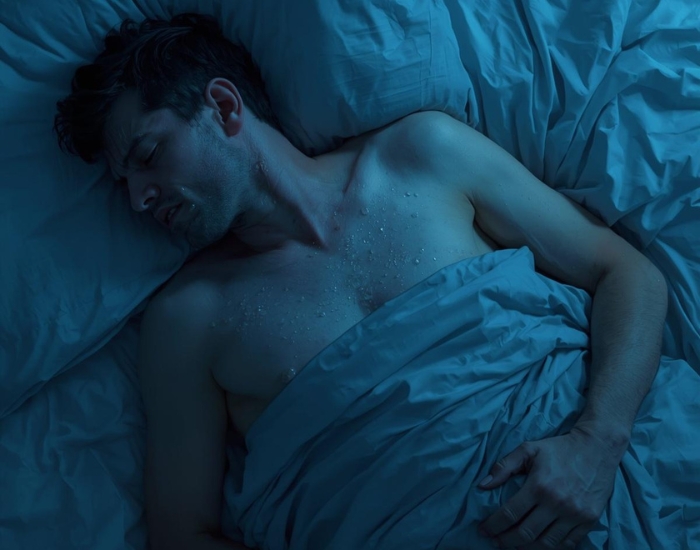
Night sweats refer to episodes of excessive sweating during sleep that soak clothing and bedding, even in a cool environment. While occasional sweating at night may not be serious, frequent or drenching night sweats often indicate an underlying medical condition. Many people searching for “night sweats causes,” “why do I sweat at night,” or “excessive night sweating reasons” are dealing with hormonal changes, infections, or metabolic disorders. Because night sweats can sometimes signal serious illnesses, early evaluation from a primary care physician near me is important for proper diagnosis and care.
Table of Contents
- What Are Night Sweats
- Why Night Sweats Happen
- Common Causes of Night Sweats in Adults
- Medical Conditions Linked to Night Sweats
- When Night Sweats Become a Concern
- Symptoms That May Occur Along With Night Sweats
- Night Sweats in Men vs Women
- Diagnosis and Medical Evaluation
- Treatment and Management Options
- Lifestyle Changes to Reduce Night Sweats
- Expert Care in Round Rock, TX
- Conclusion
- FAQs
What Are Night Sweats
Night sweats are episodes of excessive sweating that occur during sleep and often soak pajamas and bedding. Unlike normal sweating caused by a warm room or heavy blankets, night sweats happen due to internal body changes rather than external temperature.
The body uses sweating to regulate temperature, but when internal systems become imbalanced, this process becomes exaggerated during sleep.
Why the Body Produces Excess Sweat at Night
The body regulates temperature through the nervous system and hormonal signals. When these systems become disrupted, the body may overreact and produce excess sweat at night.
For example, hormonal fluctuations can increase body temperature. Infections can trigger fever-related sweating. Metabolic changes may also affect how the body controls temperature during sleep.
Common Causes of Night Sweats in Adults
Night sweats can develop due to several everyday and medical factors. One of the most common causes is hormonal changes, especially during menopause in women. These changes affect body temperature regulation and lead to sudden sweating episodes.
Infections also commonly cause night sweats. When the body fights infections such as tuberculosis or viral illnesses, it may produce excess heat and sweating.
Certain medications, including antidepressants, hormone therapy drugs, and diabetes medications, may also trigger night sweating as a side effect.
Stress and anxiety can activate the nervous system and lead to nighttime sweating episodes. Additionally, alcohol consumption and spicy foods before bed may worsen symptoms.
Medical Conditions Linked to Night Sweats
Night sweats may sometimes indicate underlying medical conditions that require attention. Hyperthyroidism, an overactive thyroid condition, increases metabolism and raises body temperature, which leads to excessive sweating.
Blood sugar fluctuations in diabetes can also trigger night sweats, especially during low blood sugar episodes at night.
Certain cancers, including lymphoma and leukemia, may present with persistent night sweats along with other symptoms such as weight loss and fatigue.
Sleep disorders like obstructive sleep apnea can also cause repeated sweating episodes due to breathing interruptions during sleep.
When Night Sweats Become a Concern
Night sweats become concerning when they occur frequently, disrupt sleep, or appear without a clear reason such as room temperature or bedding.
Medical attention becomes necessary if night sweats are accompanied by unexplained weight loss, fever, chest pain, or persistent fatigue.
In such cases, individuals should consult a primary care physician near me for proper evaluation. If symptoms feel severe or sudden, visiting urgent care and walk-ins in Stafford is recommended.
Symptoms That Often Appear With Night Sweats
Night sweats may occur along with other symptoms depending on the underlying cause.
- Waking up drenched in sweat
- Chills after sweating episodes
- Fatigue during the day
- Fever or body aches
- Rapid heartbeat
- Unexplained weight changes
These associated symptoms help doctors identify the root cause more accurately.
Night Sweats in Men vs Women
Night sweats affect both men and women, but causes may differ slightly.
In Men
- Low testosterone levels
- Sleep apnea
- Infections
- Stress or anxiety
In Women
- Menopause and hormonal changes
- Pregnancy-related hormonal shifts
- Thyroid imbalance
- Medication side effects
Understanding these patterns helps guide diagnosis and treatment.
How Doctors Diagnose Night Sweats
Doctors begin diagnosis by reviewing medical history and asking about symptom frequency, sleep habits, medications, and lifestyle factors.
Blood tests help detect infections, thyroid disorders, diabetes, or hormonal imbalances. Imaging tests may be used if serious conditions are suspected.
Sleep studies may also be recommended if a sleep disorder like sleep apnea is suspected.
Early diagnosis ensures targeted treatment and reduces complications.
Treatment and Management Options
Treatment depends entirely on the underlying cause. If hormonal imbalance causes night sweats, doctors may recommend hormone therapy or related treatments.
If infections are responsible, antibiotics or antiviral medications may be prescribed. Thyroid-related cases require hormone regulation therapy.
For stress-related night sweats, doctors may recommend relaxation techniques, counseling, and lifestyle modifications.
Lifestyle Changes That Help Reduce Night Sweats
Simple lifestyle changes can significantly reduce night sweating episodes. Keeping the bedroom cool and using breathable bedding helps regulate body temperature during sleep.
Avoiding caffeine, alcohol, and spicy foods before bedtime can also reduce symptoms. Staying hydrated supports proper body temperature control.
Stress management techniques such as meditation, deep breathing, and regular exercise help balance the nervous system and reduce sweating episodes.
Maintaining a consistent sleep schedule also improves sleep quality and reduces night sweats over time.
Expert Care in Round Rock, TX
Round Rock Primary Care provides comprehensive evaluation and treatment for night sweats causes in adults. The clinic focuses on identifying underlying conditions such as hormonal imbalance, infections, thyroid disorders, and metabolic diseases.
The medical team offers personalized care plans designed to treat the root cause and improve sleep quality and overall health. Preventive care and early diagnosis remain a key focus.
Patients are cared for by experienced physicians, including Dr. Humera Naqvi, a board-certified internist with expertise in managing chronic and acute conditions such as diabetes, hypertension, heart disease, COPD, obesity, and high cholesterol. Her approach also includes preventive care, weight management, and nutritional counseling to support long-term wellness.
Conclusion
Night sweats may seem like a minor sleep disturbance, but they can sometimes signal underlying health issues that require attention. While hormonal changes and lifestyle factors are common causes, persistent or severe night sweating should not be ignored.
Early diagnosis, proper treatment, and healthy lifestyle habits can significantly reduce symptoms and improve sleep quality and overall well-being.
FAQs
1. What causes night sweats in adults?
Common causes include hormonal changes, infections, medications, and thyroid disorders.
2. Are night sweats serious?
They can be harmless but may also indicate underlying medical conditions.
3. Can stress cause night sweats?
Yes, stress and anxiety can trigger excessive sweating during sleep.
4. When should I see a doctor?
If night sweats are frequent, severe, or accompanied by other symptoms.
5. How are night sweats treated?
Treatment depends on the cause and may include medication, lifestyle changes, or therapy.
Medical Disclaimer: This content is for informational purposes only and does not constitute medical advice. Always consult a qualified healthcare provider for diagnosis and treatment of any medical condition.