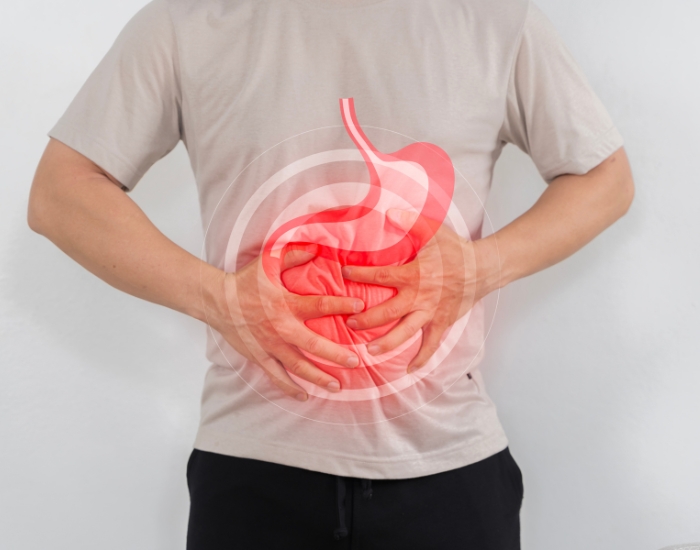
Upper abdominal cramping is a common symptom that can range from mild discomfort to severe, persistent pain. Many individuals describe it as a squeezing, tightening, or spasmodic sensation in the area just below the ribs. While occasional cramping may result from simple indigestion, persistent or intense symptoms may indicate a more serious medical condition.
Because several major organs are located in the upper abdomen—including the stomach, liver, gallbladder, pancreas, and portions of the small intestine—upper abdominal cramping should be evaluated carefully. Early recognition of concerning symptoms allows for timely diagnosis and appropriate treatment.
This article explains the common causes of upper abdominal cramping, associated symptoms, diagnostic approaches, treatment options, preventive strategies, and when medical care is necessary.
Anatomy of the Upper Abdomen: Why Location Matters
The upper abdominal region, medically referred to as the epigastric and right and left upper quadrants, contains:
- The stomach
- The liver
- The gallbladder
- The pancreas
- The duodenum (first part of the small intestine)
- Major blood vessels
Because multiple organs share this area, cramping may originate from digestive, biliary, pancreatic, muscular, or even cardiac sources. Therefore, healthcare providers consider both the location and pattern of pain during evaluation.
Common Causes of Upper Abdominal Cramping
Upper abdominal cramping may arise from temporary digestive issues or underlying medical conditions. Understanding these causes helps guide appropriate care.
Indigestion and Functional Dyspepsia
Indigestion is one of the most frequent causes of upper abdominal spasms. It often develops after large meals, fatty foods, or spicy dishes. Symptoms may include:
- A feeling of fullness
- Bloating
- Burning sensation
- Mild nausea
Functional dyspepsia refers to chronic indigestion without a clear structural cause. Although uncomfortable, it is generally not dangerous.
Acid Reflux (GERD)
Gastroesophageal reflux disease (GERD) occurs when stomach acid flows backward into the esophagus. As a result, individuals may experience upper abdominal spasms along with heartburn and chest discomfort. Symptoms often worsen after eating or lying down.
If untreated, chronic acid reflux may lead to inflammation or complications. Therefore, persistent symptoms warrant evaluation.
Gastritis and Stomach Inflammation
Inflammation of the stomach lining, known as gastritis, frequently causes upper abdominal cramping. Common triggers include:
- H. pylori infection
- Excessive alcohol use
- Long-term use of nonsteroidal anti-inflammatory drugs (NSAIDs)
- Severe stress
Cramping may intensify on an empty stomach and improve temporarily after eating.
Peptic Ulcer Disease
Peptic ulcers are open sores in the stomach or upper small intestine. They often cause burning or cramping pain in the upper abdomen. Pain patterns may vary; some patients experience relief after meals, while others notice worsening discomfort.
Complications, such as bleeding or perforation, require urgent medical care.
Gallbladder Disorders
Gallstones and gallbladder inflammation frequently cause upper abdominal cramping, particularly on the right side. Pain may:
- Occur after fatty meals
- Radiate to the back or right shoulder
- Come in waves
Because gallbladder pain can mimic stomach-related discomfort, medical imaging often helps confirm the diagnosis.
Pancreatitis
Pancreatitis, or inflammation of the pancreas, may cause severe upper abdominal cramping that radiates to the back. It is often associated with nausea and vomiting. Alcohol use and gallstones are common causes.
Acute pancreatitis requires immediate medical attention.
Irritable Bowel Syndrome (IBS)
Although IBS more commonly affects the lower abdomen, some individuals experience upper abdominal cramping. Symptoms often fluctuate and may be triggered by stress or certain foods.
Muscle Strain
In some cases, upper abdominal cramping may stem from strained abdominal muscles due to heavy lifting, coughing, or intense exercise. Pain typically worsens with movement or pressure.
Stress and Anxiety
Psychological stress can significantly affect digestive function. Stress may increase stomach acid production and muscle tension, contributing to cramping sensations.
Risk Factors for Upper Abdominal Cramping
Several factors increase the likelihood of experiencing upper abdominal cramping:
- High-fat or processed diet
- Smoking
- Excessive alcohol intake
- Chronic stress
- Obesity
- Long-term NSAID use
- Family history of ulcers or gallstones
Addressing modifiable risk factors helps reduce recurrence.
Symptoms That May Accompany Upper Abdominal Cramping
Symptoms vary depending on the cause. However, common associated symptoms include:
- Nausea or vomiting
- Bloating
- Loss of appetite
- Fever
- Jaundice (yellowing of skin or eyes)
- Dark stools
- Chest discomfort
- Unintended weight loss
When upper abdominal cramping occurs alongside alarming symptoms such as fever, vomiting blood, or black stools, urgent evaluation is necessary.
How Upper Abdominal Cramping Is Diagnosed
Accurate diagnosis begins with a detailed medical history and physical examination. Providers assess:
- Duration and intensity of cramping
- Relationship to meals
- Associated symptoms
- Medication use
- Alcohol intake
Laboratory Testing
Blood tests may evaluate:
- Liver function
- Pancreatic enzymes
- Infection markers
- Anemia
Imaging Studies
Diagnostic imaging may include:
- Abdominal ultrasound
- CT scan
- Endoscopy
Endoscopy allows direct visualization of the stomach lining and can identify ulcers or inflammation.
Early diagnostic evaluation improves treatment accuracy and prevents complications.
Treatment Options for Upper Abdominal Cramping
Treatment depends on the identified cause. Therefore, management strategies vary.
Dietary Modifications
For many patients, dietary adjustments significantly reduce upper abdominal cramping. These may include:
- Eating smaller meals
- Avoiding spicy or fatty foods
- Limiting caffeine
- Reducing alcohol intake
Medications
Depending on the diagnosis, providers may recommend:
- Antacids
- Proton pump inhibitors
- H2 blockers
- Antibiotics for H. pylori infection
- Antispasmodic medications
Medications should always be taken as prescribed.
Treatment for Gallbladder or Pancreatic Conditions
If gallstones or pancreatitis are responsible, advanced treatment may involve hospitalization, intravenous fluids, or surgery.
Stress Management
Because stress can exacerbate digestive symptoms, incorporating relaxation techniques, regular exercise, and sleep hygiene may reduce cramping episodes.
Prevention Strategies to Reduce Upper Abdominal Cramping
Preventive measures can significantly reduce symptom recurrence. Individuals are encouraged to:
- Maintain a balanced diet
- Exercise regularly
- Avoid smoking
- Limit alcohol consumption
- Manage stress effectively
- Follow medication instructions carefully
Consistent lifestyle habits support digestive health and overall well-being.
When to Seek Medical Care for Upper Abdominal Cramping
Although mild upper abdominal cramping may resolve on its own, certain symptoms require prompt medical evaluation. In particular, pain that is severe, persistent, or progressively worsening should not be ignored. Additionally, if upper abdominal cramping occurs alongside fever, vomiting blood, black or tarry stools, chest pain, or unexplained weight loss, it may indicate a more serious underlying condition. These warning signs suggest the possibility of infection, internal bleeding, inflammation, or even cardiac concerns.
Moreover, sudden and intense abdominal pain can signal a medical emergency and should be evaluated immediately. Rather than waiting for symptoms to improve on their own, early medical assessment allows healthcare providers to identify the cause, begin appropriate treatment, and reduce the risk of complications.
Schedule an Evaluation
If you are experiencing persistent or concerning upper stomach pain, scheduling a medical appointment is an important next step. A timely clinical evaluation can help determine the cause, provide necessary testing, and create a personalized treatment plan. Contact Round Rock Primary Care to arrange a walk-in or appointment-based visit for comprehensive assessment and appropriate care.
Primary Care Evaluation in Round Rock, TX
Round Rock Primary Care is located at 3000 Joe Dimaggio Blvd, Suite 65, Round Rock, TX 78665. The clinic provides comprehensive evaluation for upper stomach cramps, digestive disorders, acid reflux, gastritis, gallbladder concerns, and related symptoms. Consultation, preventive care, and both walk-in and appointment-based visits are available. Most major insurance plans are accepted. The clinic serves Round Rock and nearby communities within 10 miles, ensuring accessible and timely primary care services.
Frequently Asked Questions
Are upper stomach cramps always related to the stomach?
No. While the stomach is a common source, cramping may also involve the gallbladder, pancreas, liver, or abdominal muscles.
Can stress cause upper stomach cramps?
Yes. Stress can increase acid production and muscle tension, which may contribute to cramping sensations.
When should I worry about upper stomach pain?
You should seek medical care if pain is severe, persistent, or accompanied by alarming symptoms such as fever or bleeding.
Can dehydration cause abdominal cramping?
Severe dehydration may contribute to muscle cramping and digestive discomfort, though it is not the most common cause of upper abdominal cramping.
Does upper abdominal cramping mean I have an ulcer?
Not necessarily. Many conditions can cause similar symptoms. Proper evaluation is needed to confirm the diagnosis.
Final Thoughts
Upper abdominal cramping can result from a variety of conditions ranging from mild indigestion to more serious digestive or biliary disorders. Because symptoms often overlap, professional evaluation plays a key role in determining the exact cause. Early diagnosis allows for effective treatment and reduces the risk of complications. Individuals experiencing persistent or concerning symptoms should seek timely medical assessment.
Medical Disclaimer: This article is for informational purposes only and does not constitute medical advice, diagnosis, or treatment. If you are experiencing severe or persistent abdominal pain, consult a licensed healthcare professional. In case of emergency symptoms such as chest pain, vomiting blood, or sudden severe pain, seek immediate medical attention.