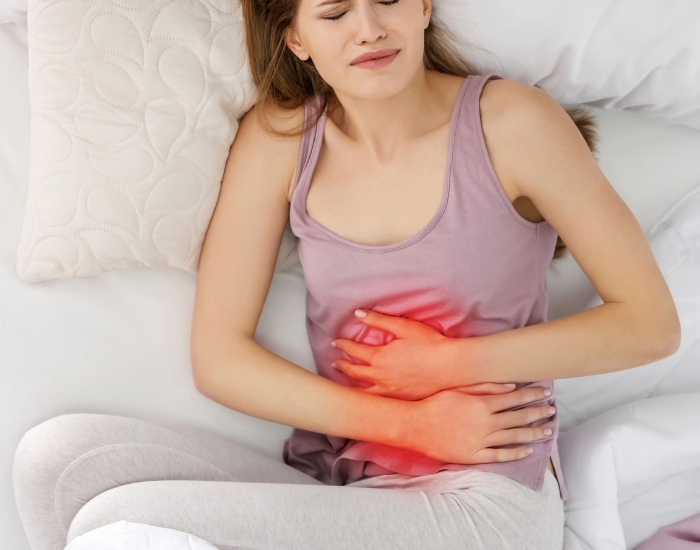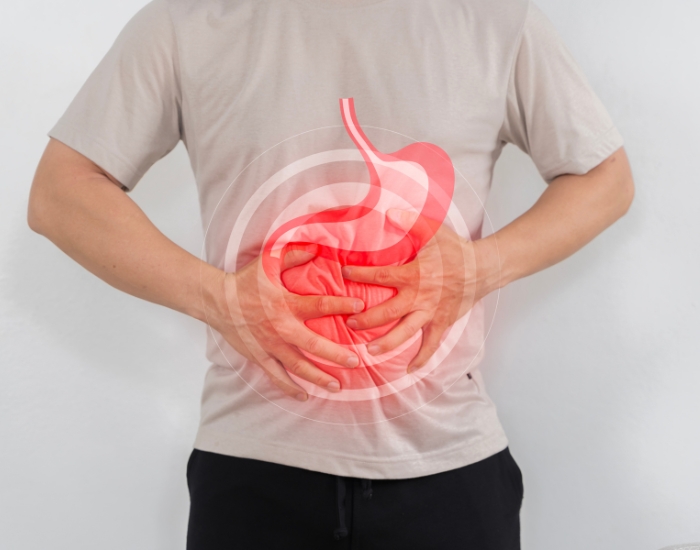

Abdominal discomfort is one of the most common reasons people seek medical care. While pain can occur anywhere in the abdomen, discomfort located in the upper portion often causes particular concern. Stomach pain on the top of stomach may feel sharp, burning, cramping, or dull. Sometimes it appears suddenly. Other times, it develops gradually and worsens over time.
Because several important organs lie in the upper abdomen—including the stomach, liver, pancreas, and gallbladder—this type of pain should not be ignored. Although many causes are mild and temporary, others require timely evaluation.
Understanding the possible causes of stomach pain on the top of stomach helps individuals recognize warning signs and seek appropriate care when needed.
Table of Contents
- Understanding the Upper Abdominal Area
- Common Causes of Stomach Pain on the Top of Stomach
- Risk Factors
- Symptoms That May Accompany Upper Abdominal Pain
- How Healthcare Providers Diagnose the Cause
- Treatment Options
- Prevention Strategies
- When to Seek Medical Care
- Primary Care Evaluation in Round Rock, TX
- Frequently Asked Questions
- Final Thoughts
Understanding the Upper Abdominal Area
The upper abdomen, also called the epigastric region, is located just below the rib cage and above the belly button. This area contains:
- The stomach
- The upper part of the small intestine
- The liver
- The pancreas
- The gallbladder
- Major blood vessels
Because multiple organs share this space, identifying the exact cause of discomfort can be challenging. Therefore, a careful medical evaluation is often necessary.
Common Causes of Stomach Pain on the Top of Stomach
Several conditions can cause discomfort in this area. Some are digestive in nature, while others involve nearby organs.
Indigestion (Dyspepsia)
Indigestion is one of the most frequent causes of stomach pain on the top of stomach. It may develop after eating large meals, spicy foods, or fatty foods.
Symptoms often include:
- Burning sensation
- Bloating
- Nausea
- Feeling overly full
Indigestion is usually temporary and improves with dietary adjustments.
Acid Reflux (GERD)
Gastroesophageal reflux disease (GERD) occurs when stomach acid flows backward into the esophagus. This can cause burning pain in the upper abdomen and chest.
Patients may experience:
- Heartburn
- Sour taste in the mouth
- Chronic cough
- Worsening symptoms after meals
Persistent reflux requires medical evaluation to prevent complications.
Gastritis
Gastritis refers to inflammation of the stomach lining. It can develop due to:
- Infection (such as H. pylori)
- Excessive alcohol use
- Long-term use of anti-inflammatory medications
- Stress-related illness
When inflammation occurs, stomach pain on the top of stomach may feel sharp or burning, especially on an empty stomach.
Peptic Ulcers
Peptic ulcers are sores that form in the stomach or upper small intestine. They often cause:
- Burning pain
- Pain that improves or worsens after eating
- Nausea
- In severe cases, bleeding
Ulcers require medical treatment to prevent complications.
Gallbladder Disease
The gallbladder sits in the upper right portion of the abdomen. Gallstones or inflammation can cause pain that radiates to the upper abdomen.
Pain often:
- Occurs after fatty meals
- Radiates to the right shoulder
- Comes in waves
Gallbladder problems may mimic stomach pain on the top of stomach but require different treatment.
Pancreatitis
Inflammation of the pancreas can cause severe upper abdominal pain. This pain may:
- Radiate to the back
- Worsen after eating
- Be accompanied by nausea or vomiting
Pancreatitis requires urgent medical care.
Muscle Strain
Sometimes, pain in the upper abdomen originates from strained abdominal muscles. This may occur after heavy lifting, coughing, or intense exercise.
Unlike digestive causes, muscle-related discomfort often worsens with movement or pressure.
Stress and Anxiety
Emotional stress can significantly affect digestive function. Stress may increase acid production and cause tension in abdominal muscles.
As a result, some individuals experience stomach pain on the top of stomach during periods of high stress.
Risk Factors
Several factors increase the likelihood of developing upper abdominal discomfort:
- High-fat or spicy diet
- Excessive alcohol use
- Smoking
- Chronic stress
- Obesity
- Long-term use of NSAIDs
- Family history of ulcers or gallstones
Identifying risk factors helps guide prevention and treatment strategies.
Symptoms That May Accompany Upper Abdominal Pain
Symptoms vary depending on the underlying cause. However, common associated signs include:
- Nausea or vomiting
- Bloating
- Loss of appetite
- Belching
- Fever
- Yellowing of the skin (jaundice)
- Dark stools
- Chest discomfort
When stomach pain on the top of stomach occurs alongside concerning symptoms such as fever, jaundice, or persistent vomiting, medical evaluation becomes more urgent.
How Healthcare Providers Diagnose the Cause
Diagnosis begins with a detailed medical history and physical examination. Providers assess:
- Location of pain
- Duration and intensity
- Relationship to meals
- Associated symptoms
Laboratory Testing
Blood tests may evaluate:
- Liver function
- Pancreatic enzymes
- Infection markers
- Anemia
Imaging Studies
Imaging tests may include:
- Abdominal ultrasound
- CT scan
- Upper endoscopy
These tests help identify ulcers, gallstones, inflammation, or structural abnormalities.
Accurate diagnosis ensures appropriate treatment.
Treatment Options
Treatment depends primarily on the underlying cause. Therefore, obtaining an accurate diagnosis is the first and most important step. Once the cause is identified, a targeted treatment plan can significantly improve symptoms and prevent recurrence.
Dietary Adjustments
For mild digestive causes, lifestyle and dietary changes often provide meaningful relief. In many cases, small daily adjustments can reduce irritation and improve stomach function. For example, eating smaller, more frequent meals may help decrease pressure on the stomach. In addition, avoiding spicy, greasy, or fatty foods can reduce acid production and inflammation.
Furthermore, limiting caffeine intake may prevent excess stomach acid, while reducing alcohol consumption can protect the stomach lining. When consistently followed, these changes can gradually lessen stomach pain on the top of stomach and improve overall digestive comfort.
Medications
In addition to dietary changes, medications may be necessary, especially when symptoms persist. Depending on the diagnosis, healthcare providers may recommend:
- Antacids to neutralize stomach acid
- Proton pump inhibitors to reduce acid production
- H2 blockers to decrease acid secretion
- Antibiotics for H. pylori infection
- Pain management medications when clinically appropriate
Importantly, medications should always be taken as prescribed. In many cases, proper use of medication significantly reduces inflammation and allows the stomach lining to heal.
Gallbladder or Pancreas Treatment
However, if gallstones or pancreatitis are responsible for stomach pain on the top of stomach, more advanced treatment may be required. In such cases, hospitalization, intravenous fluids, imaging studies, or even surgical intervention may be necessary. Early medical evaluation ensures that these conditions are addressed promptly and safely.
Stress Management
Because stress can worsen digestive symptoms, managing emotional health is equally important. Chronic stress may increase acid production and muscle tension in the abdomen. Therefore, incorporating relaxation techniques such as deep breathing, mindfulness exercises, and regular physical activity can improve digestive function. In some cases, behavioral therapy may also provide additional support.
Prevention Strategies
Preventive measures play a critical role in reducing the recurrence of symptoms. By adopting consistent and healthy habits, individuals can lower the risk of developing stomach pain on the top of stomach in the future.
For instance, maintaining a balanced diet that includes fiber-rich foods and lean proteins supports healthy digestion. Additionally, regular exercise promotes proper gastrointestinal motility and weight management. Avoiding smoking further protects the stomach lining, while limiting alcohol consumption reduces irritation and inflammation.
Moreover, managing stress effectively helps stabilize digestive function over time. Taking medications exactly as directed and attending routine medical appointments also supports long-term digestive health.
Overall, consistent preventive habits not only reduce discomfort but also contribute to better overall wellness and quality of life.
When to Seek Medical Care
Although mild digestive discomfort may improve on its own, certain symptoms require prompt medical evaluation. Severe or persistent pain, especially if it continues to worsen over time, should not be ignored. In addition, stomach pain on the top of stomach that occurs with fever, vomiting blood, black or tarry stools, chest pain, or unexplained weight loss may indicate a more serious underlying condition. Sudden and intense upper abdominal pain can signal an emergency and requires immediate medical attention. Early evaluation not only helps identify the cause but also reduces the risk of complications and supports safer outcomes.
If you are experiencing ongoing or concerning symptoms, scheduling a medical appointment is an important next step. A timely clinical assessment can provide clarity, appropriate testing, and a personalized treatment plan. Contact Round Rock Primary Care to arrange a walk-in or appointment-based visit for evaluation of abdominal pain and related digestive concerns.
Primary Care Evaluation in Round Rock, TX
Round Rock Primary Care is located at 3000 Joe Dimaggio Blvd, Suite 65, Round Rock, TX 78665. The clinic provides comprehensive primary care services, including evaluation of abdominal pain, digestive disorders, acid reflux, gastritis, and gallbladder-related symptoms. Both walk-in and appointment-based visits are available. Consultation and routine preventive care are also offered. Most major insurance plans are accepted. The clinic serves patients in Round Rock and nearby communities within 10 miles, ensuring accessible and timely medical care.
Frequently Asked Questions
Is stomach pain on the top of stomach always related to digestion?
No. Although digestive causes are common, pain may also involve the gallbladder, pancreas, or even the heart.
Can stress alone cause upper stomach pain?
Yes. Stress can increase stomach acid production and muscle tension, leading to discomfort.
When should I worry about upper abdominal pain?
Pain accompanied by fever, vomiting blood, chest pain, or jaundice requires urgent medical evaluation.
Does acid reflux cause pain in the upper stomach?
Yes. Acid reflux often causes burning pain in the upper abdomen and chest.
Can dehydration cause upper abdominal pain?
Dehydration may contribute to general discomfort but is less commonly a direct cause of localized upper stomach pain.
Final Thoughts
Stomach pain on the top of stomach can result from a wide range of conditions, from mild indigestion to more serious disorders involving the gallbladder or pancreas. Because symptoms often overlap, accurate diagnosis is essential. Early medical evaluation ensures proper treatment and helps prevent complications. Individuals experiencing persistent or severe discomfort should seek professional assessment to protect their overall health.
Medical Disclaimer: This article is for informational purposes only and does not constitute medical advice, diagnosis, or treatment. If you are experiencing severe or persistent abdominal pain, seek evaluation from a licensed healthcare professional. In case of emergency symptoms such as chest pain, vomiting blood, or sudden severe pain, call emergency services immediately.