

Being diagnosed with Type 2 diabetes can bring a mix of emotions. Some people feel overwhelmed by the thought of checking blood sugar levels, changing eating habits, or taking medication. Others are surprised because they felt perfectly healthy before a routine blood test revealed elevated glucose or an abnormal A1C. Wherever you are in your journey, one thing is important to know: Type 2 diabetes is a condition that can often be managed successfully with the right medical care, healthy lifestyle changes, and ongoing support.
Diabetes management isn’t about achieving perfection. It’s about making consistent, sustainable choices that protect your long-term health while allowing you to continue living a full and active life. Regular visits with your primary care provider play a vital role in monitoring your condition, adjusting treatment as your needs change, and helping prevent serious complications before they develop.
At Round Rock Primary Care, we believe diabetes care should be personalized. Every patient’s health history, lifestyle, goals, and risk factors are different, which means every treatment plan should be too. Whether you’ve recently been diagnosed or have been living with diabetes for years, partnering with an experienced primary care provider can help you stay healthier and more confident in managing your condition.
This guide explains how comprehensive primary care supports every stage of Type 2 diabetes management—from diagnosis and blood sugar monitoring to medication management, nutrition, exercise, and long-term complication prevention.
Table of Contents
- Understanding Type 2 Diabetes
- Why Primary Care Is Essential for Diabetes Management
- Monitoring Blood Sugar and A1C Levels
- Diabetes Medications and Personalized Treatment
- Healthy Nutrition for Blood Sugar Control
- Exercise and Physical Activity
- Important Note
- Preventing Long-Term Complications
- Diabetes Care at Round Rock Primary Care
- Frequently Asked Questions
- Conclusion
Important Note
Type 2 diabetes often develops gradually, and many people have few or no symptoms in its early stages. Learning how blood sugar affects your body—and taking action before complications occur—can make a significant difference in your long-term health. The earlier diabetes is identified and managed, the greater your opportunity to protect your heart, kidneys, eyes, nerves, and overall well-being.
Understanding Type 2 Diabetes
Type 2 diabetes is a chronic condition that affects how your body processes glucose, the primary source of energy for your cells. Normally, insulin—a hormone produced by the pancreas—helps move glucose from the bloodstream into your cells, where it can be used for energy.
With Type 2 diabetes, the body becomes resistant to insulin, meaning cells no longer respond as effectively. Over time, the pancreas may also struggle to produce enough insulin to keep blood sugar within a healthy range. As a result, glucose builds up in the bloodstream instead of entering the cells where it’s needed.
Persistently elevated blood sugar can gradually damage blood vessels, nerves, and vital organs. Without proper management, diabetes increases the risk of heart disease, stroke, kidney disease, vision loss, nerve damage, and poor wound healing.
Fortunately, modern diabetes care focuses not only on lowering blood sugar but also on reducing the overall risk of these long-term complications.
Common Risk Factors for Type 2 Diabetes
Although anyone can develop Type 2 diabetes, certain factors increase your risk.
- Family history of diabetes.
- Being overweight or living with obesity.
- Physical inactivity.
- High blood pressure.
- High cholesterol.
- History of gestational diabetes.
- Age over 45 years.
- Prediabetes.
Having one or more risk factors doesn’t necessarily mean you’ll develop diabetes, but it does make regular health screenings especially important.

Why Primary Care Plays Such an Important Role
Many people think diabetes treatment simply means taking medication. In reality, successful diabetes management involves much more than writing prescriptions. It requires continuous monitoring, education, prevention, and personalized adjustments over time.
Your primary care provider serves as the central coordinator of your diabetes care by helping you:
- Monitor blood sugar trends.
- Interpret A1C results.
- Adjust medications safely.
- Monitor blood pressure and cholesterol.
- Identify early complications.
- Coordinate specialist referrals when needed.
- Support healthy lifestyle changes.
- Answer questions as your condition evolves.
Instead of reacting only when problems develop, primary care emphasizes prevention. Routine follow-up appointments allow your provider to identify subtle changes before they become serious health concerns.
This ongoing relationship also means your treatment plan can evolve alongside your health, ensuring that recommendations remain practical, effective, and personalized.
Monitoring Blood Sugar and A1C Levels
One of the most important aspects of diabetes management is understanding how well your blood sugar is being controlled over time.
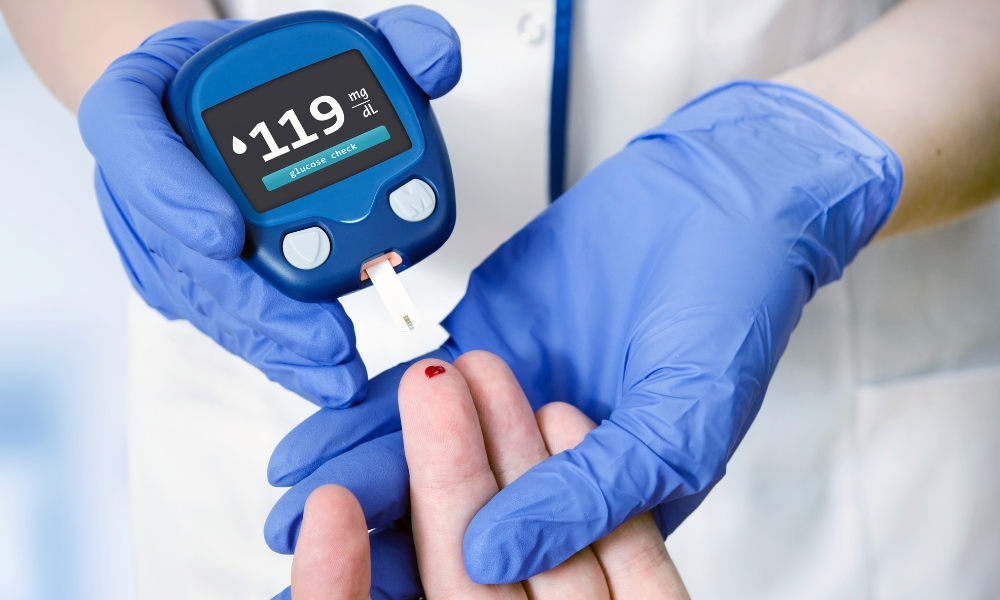
Daily blood glucose monitoring helps many patients understand how meals, exercise, medications, stress, illness, and sleep affect their blood sugar throughout the day. While not everyone needs to check glucose at home with the same frequency, your provider will recommend a monitoring schedule based on your individual treatment plan.
Even more important is the Hemoglobin A1C (HbA1C) test.
Unlike a single blood sugar reading, the A1C reflects your average blood glucose level over approximately the previous two to three months. This provides a much broader picture of how well your diabetes is being managed.
Why A1C Matters
Your A1C helps your healthcare provider:
- Evaluate long-term blood sugar control.
- Determine whether current medications are working.
- Identify opportunities to improve treatment.
- Estimate the risk of diabetes-related complications.
For many adults with Type 2 diabetes, healthcare providers often aim for an A1C below 7%, although individualized goals may vary depending on age, other medical conditions, pregnancy, and overall health.
Rather than focusing on a single number, your provider looks for trends over time and adjusts treatment based on your unique circumstances.
Regular Follow-Up Appointments Matter
Diabetes isn’t a condition that’s managed once and forgotten. Regular appointments allow your provider to review laboratory results, discuss any new symptoms, evaluate medication effectiveness, and address challenges before they become larger problems.
Many patients also find that ongoing conversations with their primary care physician help them stay motivated and confident as they work toward healthier habits.
If you have diabetes or prediabetes, our Chronic Disease Management services provide personalized care focused on improving blood sugar control while supporting your long-term health.
Diabetes Medications: Finding the Right Treatment for You
Managing Type 2 diabetes often requires more than healthy eating and exercise alone. As the condition changes over time, many people benefit from medication to help keep blood sugar within a healthier range. The good news is that today’s treatment options are more effective and personalized than ever before.
Your primary care provider doesn’t simply prescribe medication based on your blood sugar level. They also consider your age, overall health, kidney function, heart health, weight, lifestyle, and other medical conditions before recommending the best treatment plan.
Because diabetes affects every person differently, what works well for one individual may not be the right choice for someone else.
Oral Diabetes Medications
Many people with newly diagnosed Type 2 diabetes begin treatment with an oral medication. These medicines work in different ways to help lower blood sugar.
Some medications:
- Help your body respond better to insulin.
- Reduce the amount of sugar produced by the liver.
- Slow the absorption of carbohydrates.
- Increase the amount of glucose removed through the kidneys.
Your provider may start with one medication or recommend a combination depending on your blood sugar levels and overall health goals.
Injectable Medications
Not every injectable diabetes medication is insulin. In recent years, newer injectable medications have become an important part of diabetes treatment for many adults.
Some of these medications help:
- Improve insulin release after meals.
- Reduce appetite.
- Slow stomach emptying.
- Promote weight loss in appropriate patients.
- Lower the risk of certain cardiovascular complications.
These medications may be recommended for people who have diabetes along with obesity, heart disease, or difficulty reaching their blood sugar goals with oral medications alone.
Will I Eventually Need Insulin?
This is one of the most common questions people ask after receiving a diabetes diagnosis.
The answer depends on your individual situation. Some people manage their diabetes successfully for many years without insulin, while others benefit from insulin therapy earlier in the course of the disease.
Needing insulin doesn’t mean you’ve failed or done something wrong. Type 2 diabetes naturally changes over time, and insulin can become an important tool for protecting your health when your body is no longer producing enough of its own.
The goal is always to use the treatment that best supports your long-term health—not to reach a particular milestone or avoid a specific medication.
Healthy Nutrition: One of the Most Powerful Diabetes Treatments
Nutrition plays a central role in managing Type 2 diabetes, but healthy eating doesn’t mean following an extremely restrictive diet or eliminating every food you enjoy.
Instead, diabetes nutrition focuses on building balanced eating habits that help stabilize blood sugar while providing the nutrients your body needs.
Your primary care provider may work with a registered dietitian or diabetes educator to help create a realistic meal plan based on your preferences, medical conditions, cultural traditions, and daily routine.
Focus on Balanced Meals
Rather than thinking about “good” and “bad” foods, many patients benefit from learning how different foods affect blood sugar.
A balanced meal often includes:
- Lean sources of protein.
- High-fiber vegetables.
- Whole grains.
- Healthy fats.
- Appropriate portion sizes.
These foods help provide steady energy and reduce dramatic spikes in blood glucose after meals.
Limiting Added Sugars Doesn’t Mean Eliminating Enjoyment
Many people assume a diabetes diagnosis means desserts and favorite meals disappear forever. In reality, moderation, planning, and portion awareness are usually much more sustainable than strict food restrictions.
Your provider can help you develop eating habits that support both your blood sugar goals and your quality of life.
Hydration Matters Too
Drinking enough water helps support overall health and may assist the body in maintaining normal metabolic function. Choosing water instead of sugar-sweetened beverages also helps reduce unnecessary calorie and carbohydrate intake.
Small, consistent choices made every day often produce greater long-term benefits than short periods of extreme dieting.
Exercise Helps More Than Just Blood Sugar
Regular physical activity is one of the most effective lifestyle tools for managing Type 2 diabetes. Exercise helps your muscles use glucose more efficiently, improves insulin sensitivity, supports weight management, strengthens the heart, and boosts overall well-being.
Perhaps just as importantly, regular movement contributes to better sleep, improved mood, lower stress levels, and increased energy—all factors that support long-term diabetes management.
Simple Ways to Stay Active
You don’t have to become a marathon runner to experience meaningful health benefits. Activities such as brisk walking, cycling, swimming, gardening, dancing, or strength training can all support healthy blood sugar control.
Many adults benefit from gradually building toward at least 150 minutes of moderate physical activity each week, although your provider may recommend a different plan depending on your health and fitness level.
Start Slowly if You’re New to Exercise
If you haven’t exercised regularly in a while, it’s perfectly okay to begin with shorter sessions. Even ten to fifteen minutes of walking after meals can have a positive impact on blood sugar levels.
As your fitness improves, you can gradually increase both the duration and intensity of your activity.
Consistency is far more important than perfection. Finding activities you genuinely enjoy makes it much easier to stay active over the long term.
Important Note
Managing Type 2 diabetes isn’t about achieving perfect blood sugar every single day. Everyone experiences occasional highs and lows, especially during illness, stress, travel, or major life changes. Instead of becoming discouraged, focus on long-term progress and regular communication with your healthcare provider. Small improvements made consistently often have the greatest impact on reducing future complications and improving overall health.
Why Maintaining a Healthy Weight Can Improve Diabetes
For many individuals living with Type 2 diabetes, achieving and maintaining a healthy weight can significantly improve blood sugar control. Even modest weight loss may help the body respond more effectively to insulin and reduce the need for additional medications.
Weight management isn’t about quick fixes or fad diets. Instead, it involves realistic lifestyle changes that can be maintained for years—not just weeks.
If weight has become a challenge, your provider may recommend individualized strategies that combine nutrition counseling, physical activity, behavior modification, and, when appropriate, medical weight management.
Patients who qualify may also benefit from our Medical Weight Loss Programs, which can complement a comprehensive diabetes management plan while supporting healthier long-term outcomes.
Preventing Long-Term Diabetes Complications
One of the most important reasons to manage Type 2 diabetes consistently is to reduce the risk of long-term complications. High blood sugar doesn’t usually cause noticeable damage overnight. Instead, it gradually affects blood vessels and nerves throughout the body, which is why routine monitoring and preventive care are so valuable.
The encouraging news is that maintaining healthy blood sugar levels, controlling blood pressure and cholesterol, taking medications as prescribed, and attending regular primary care appointments can significantly lower the risk of many diabetes-related complications.
Protecting Your Heart and Blood Vessels
People with Type 2 diabetes have a higher risk of developing cardiovascular disease, including heart attack and stroke. For this reason, diabetes management goes beyond blood sugar alone.
Your primary care provider will also monitor:
- Blood pressure.
- Cholesterol levels.
- Body weight.
- Smoking status.
- Physical activity.
- Family history of cardiovascular disease.
Managing these risk factors together provides much greater protection than focusing on glucose levels alone.
Maintaining Healthy Kidneys
Your kidneys work continuously to filter waste products from your blood. Persistently elevated blood sugar can gradually damage these delicate filtering structures, sometimes without causing noticeable symptoms until significant damage has occurred.
Routine blood work and urine testing help detect early signs of kidney disease before permanent complications develop. When identified early, treatment and lifestyle adjustments can often slow or prevent further damage.
Protecting Your Vision
Diabetes can affect the tiny blood vessels in the eyes, increasing the risk of diabetic retinopathy and other vision problems. Because early eye disease may not cause symptoms, comprehensive dilated eye examinations remain an essential part of diabetes care.
Your primary care provider will remind you when routine eye examinations are recommended and coordinate care with an eye specialist if needed.
Caring for Your Feet and Nerves
Over time, elevated blood sugar may damage nerves, particularly in the feet and lower legs. This condition, known as diabetic neuropathy, can reduce sensation and make it harder to notice cuts, blisters, or injuries.
Simple daily foot care can help prevent serious complications.
Your provider may recommend:
- Inspecting your feet every day.
- Wearing properly fitting shoes.
- Keeping your skin clean and moisturized.
- Reporting wounds that don’t heal promptly.
- Scheduling routine foot examinations.
Early treatment of even minor foot injuries can help prevent infection and other complications.
Why Routine Follow-Up Appointments Matter
Diabetes management is an ongoing partnership rather than a one-time treatment plan. Your health, medications, lifestyle, and risk factors may change over time, making regular follow-up visits an important part of staying healthy.
During routine appointments, your primary care provider may:
- Review your blood sugar records.
- Check your A1C level.
- Monitor blood pressure and cholesterol.
- Evaluate medication effectiveness and side effects.
- Recommend preventive screenings.
- Discuss nutrition and exercise goals.
- Address any new symptoms or concerns.
These visits provide opportunities to identify small issues before they become major health problems, helping you stay on track with your diabetes management goals.
Personalized Diabetes Care at Round Rock Primary Care
Living with Type 2 diabetes doesn’t mean you have to manage everything on your own. At Round Rock Primary Care, we provide compassionate, evidence-based care designed to support every stage of your diabetes journey.
Whether you’ve recently been diagnosed, are working to improve your A1C, need help adjusting medications, or want guidance on nutrition and exercise, our team is here to provide individualized care that fits your lifestyle and long-term health goals.
Our comprehensive approach includes regular monitoring, preventive screenings, chronic disease management, medication reviews, and personalized education to help you better understand your condition and feel confident in managing it.
Through our Diabetes Care, Chronic Disease Management, and Primary Care & Wellness Exams services, we focus on preventing complications while helping you achieve better overall health.
We believe successful diabetes care is built on partnership, education, and consistent follow-up—not simply treating blood sugar numbers.
Frequently Asked Questions
Can Type 2 diabetes be reversed?
Some individuals can achieve diabetes remission through significant lifestyle changes, weight loss, and ongoing medical supervision. However, even if blood sugar returns to a normal range, continued monitoring remains important because diabetes can return over time.
How often should my A1C be checked?
For many adults with Type 2 diabetes, A1C is checked every three to six months. Your provider will recommend a schedule based on your treatment plan, blood sugar control, and overall health.
Do I have to stop eating carbohydrates?
No. Carbohydrates are an important source of energy. The focus is on choosing healthier carbohydrate sources, balancing meals, practicing portion control, and understanding how different foods affect your blood sugar.
Can exercise really lower blood sugar?
Yes. Regular physical activity improves insulin sensitivity, helps muscles use glucose more efficiently, supports weight management, and contributes to better overall blood sugar control.
Why is primary care important for diabetes?
Primary care providers coordinate ongoing diabetes management by monitoring blood sugar, adjusting medications, performing preventive screenings, identifying early complications, and helping patients develop sustainable lifestyle habits that support long-term health.
When should I schedule a diabetes follow-up appointment?
You should follow the schedule recommended by your healthcare provider and also seek medical evaluation if your blood sugar becomes difficult to control, you experience medication side effects, develop new symptoms, or have concerns about your treatment plan.
Managing Diabetes Is a Lifelong Investment in Your Health
Type 2 diabetes is a chronic condition, but it doesn’t have to define your future. With regular primary care, personalized treatment, healthy lifestyle choices, and ongoing monitoring, many people successfully manage their blood sugar while reducing the risk of serious complications.
The most effective diabetes care focuses on the whole person—not just glucose numbers. By combining medical expertise with education, nutrition, physical activity, preventive care, and consistent follow-up, you can take meaningful steps toward protecting your heart, kidneys, eyes, nerves, and overall well-being.
If you or a loved one is living with Type 2 diabetes or prediabetes, partnering with an experienced primary care provider can help you build a plan that supports your health today and for years to come.
Medical Disclaimer
This article is intended for educational purposes only and should not replace professional medical advice, diagnosis, or treatment. Diabetes management should always be individualized based on your medical history, medications, laboratory results, and overall health. Never stop or adjust diabetes medications without consulting your healthcare provider. If you experience symptoms of severely high or low blood sugar, chest pain, difficulty breathing, confusion, or loss of consciousness, seek emergency medical care immediately.