Blood pressure plays a vital role in maintaining healthy circulation throughout the body. When blood pressure drops too low, it can reduce blood flow to the brain and other organs. As a result, a person may feel dizzy, weak, or even faint. In some cases, very low blood pressure can become a medical emergency.
Understanding the reasons for very low blood pressure helps individuals recognize symptoms early and seek appropriate care. While some causes are temporary and harmless, others may signal underlying medical conditions that require prompt evaluation.
This article explains the most common reasons for very low blood pressure, outlines symptoms, discusses diagnosis and treatment options, and provides guidance on when to seek medical attention.
What Is Very Low Blood Pressure?
Blood pressure measures the force of blood pushing against artery walls. A normal reading is generally around 120/80 mmHg. Very low blood pressure, also called hypotension, typically refers to readings below 90/60 mmHg.
However, numbers alone do not always tell the full story. Some people naturally have lower readings without symptoms. In contrast, others may experience significant symptoms even with mildly reduced pressure.
Therefore, healthcare providers focus not only on numbers but also on how a person feels and whether organs receive adequate blood flow.
Common Reasons for Very Low Blood Pressure
Several factors can lead to very low blood pressure. Sometimes the cause is temporary. In other cases, it may reflect a chronic or serious condition.
Dehydration
Dehydration is one of the most common reasons for very low blood pressure. When the body loses more fluids than it takes in, blood volume decreases. As a result, blood pressure drops.
People may become dehydrated due to:
- Excessive sweating
- Vomiting or diarrhea
- Fever
- Inadequate fluid intake
- Intense exercise without hydration
When dehydration lowers blood pressure significantly, symptoms such as dizziness, weakness, and fainting may occur.
Blood Loss
Significant blood loss reduces circulating volume and can quickly cause very low blood pressure. This may occur due to:
- Trauma or injury
- Internal bleeding
- Gastrointestinal bleeding
- Heavy menstrual bleeding
In such situations, blood pressure can drop suddenly and require emergency care.
Heart Problems
Certain heart conditions can interfere with the heart’s ability to pump blood effectively. As a result, blood pressure may fall.
Cardiac causes include:
- Slow heart rate (bradycardia)
- Heart attack
- Heart failure
- Heart valve disorders
When the heart cannot pump efficiently, organs may not receive adequate blood supply. Therefore, identifying heart-related reasons for very low blood pressure is essential.
Endocrine Disorders
Hormonal imbalances can also affect blood pressure regulation. Several endocrine conditions may contribute to very low blood pressure, including:
- Adrenal insufficiency (Addison’s disease)
- Thyroid disorders
- Low blood sugar (hypoglycemia)
- Diabetes-related autonomic dysfunction
Hormones play a crucial role in maintaining vascular tone and fluid balance. When these systems malfunction, blood pressure may drop.
Severe Infection (Sepsis)
A widespread infection can trigger a dangerous drop in blood pressure known as septic shock. During severe infection, blood vessels dilate, and blood pressure falls rapidly.
Sepsis is a medical emergency. Immediate treatment is required to prevent organ damage.
Medications
Certain medications are well-known reasons for very low blood pressure. These include:
- Blood pressure medications
- Diuretics
- Beta-blockers
- Antidepressants
- Medications for Parkinson’s disease
- Erectile dysfunction medications
Sometimes, combining medications or increasing doses may worsen hypotension. Therefore, medication review is an important step during evaluation.
Prolonged Bed Rest
Extended inactivity can weaken the body’s ability to regulate blood pressure. As a result, individuals may experience dizziness upon standing, a condition known as orthostatic hypotension.
Nutritional Deficiencies
Low levels of vitamin B12 or folate can reduce red blood cell production. This may lead to anemia, which in turn can contribute to very low blood pressure.
Orthostatic Hypotension: A Common Form
Orthostatic hypotension occurs when blood pressure drops upon standing. Normally, the body adjusts quickly to gravity by tightening blood vessels. However, in some individuals, this response is delayed.
Common reasons for very low blood pressure in orthostatic cases include:
- Dehydration
- Prolonged bed rest
- Neurological disorders
- Medication side effects
Symptoms typically appear within seconds to minutes of standing.
Symptoms of Very Low Blood Pressure
Signs vary depending on the severity and underlying cause. Some individuals experience mild discomfort, while others develop significant complications.
Common symptoms include:
- Dizziness or lightheadedness
- Fainting (syncope)
- Blurred vision
- Nausea
- Fatigue
- Confusion
- Cold, clammy skin
- Rapid breathing
- Weak pulse
In severe cases, very low blood pressure can lead to shock. Symptoms of shock include confusion, rapid heart rate, shallow breathing, and loss of consciousness. This requires emergency care.
How Healthcare Providers Diagnose the Cause
To identify the reasons for very low blood pressure, healthcare providers begin with a detailed medical history and physical examination.
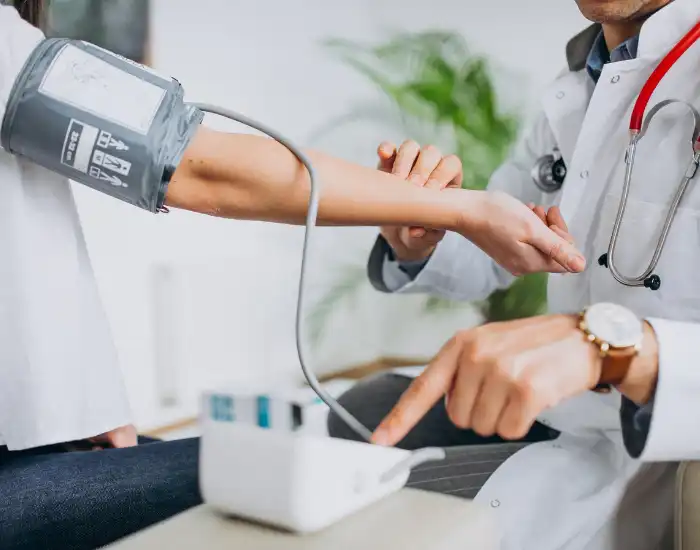
Blood Pressure Measurements
Blood pressure may be measured:
- While lying down
- While sitting
- After standing
This helps detect orthostatic changes.
Blood Tests
Laboratory testing may evaluate:
- Electrolytes
- Kidney function
- Blood sugar
- Thyroid levels
- Adrenal function
- Complete blood count
These tests help uncover metabolic or endocrine causes.
Heart Evaluation
If heart-related causes are suspected, providers may order:
- Electrocardiogram (ECG)
- Echocardiogram
- Stress testing
Imaging Studies
In some cases, imaging may be necessary to rule out internal bleeding or structural abnormalities.
Accurate diagnosis ensures appropriate and targeted treatment.
Treatment Options for Very Low Blood Pressure
Treatment depends on identifying the underlying cause. Therefore, managing very low blood pressure involves addressing the root problem.
Increasing Fluid Intake
For dehydration-related hypotension, increasing fluids and electrolytes can significantly improve blood pressure.
Adjusting Medications
If medications contribute to the condition, providers may:
- Adjust doses
- Change medications
- Modify timing of administration
Patients should never stop medications without medical guidance.
Treating Underlying Conditions
Management may include:
- Hormone replacement therapy for adrenal insufficiency
- Thyroid treatment
- Managing diabetes
- Treating heart conditions
Compression Stockings
In some cases, providers recommend compression stockings to improve circulation and reduce blood pooling in the legs.
Medications to Raise Blood Pressure
For chronic or severe cases, specific medications may help maintain stable blood pressure levels.
Lifestyle Measures to Support Healthy Blood Pressure
In addition to medical treatment, individuals can take steps to reduce episodes of hypotension.
- Drink adequate fluids daily
- Increase salt intake only if medically advised
- Rise slowly from sitting or lying positions
- Avoid standing for prolonged periods
- Eat small, frequent meals
- Limit alcohol intake
- Wear compression garments if recommended
By actively managing lifestyle habits, individuals can reduce the impact of reasons for very low blood pressure.
When to Seek Medical Care
Medical evaluation is important if symptoms are persistent, worsening, or severe.
Seek prompt care if very low blood pressure is accompanied by:
- Chest pain
- Shortness of breath
- Severe headache
- Confusion
- Fainting
- Signs of infection (fever, chills)
- Sudden weakness or numbness
Immediate emergency care is required if symptoms suggest shock, including loss of consciousness or difficulty breathing. Early evaluation prevents complications and supports safer outcomes.
Primary Care Evaluation
Round Rock Primary Care is located at 3000 Joe Dimaggio Blvd, Suite 65, Round Rock, TX 78665. The clinic provides comprehensive primary care services, including evaluation of dizziness, fainting, dehydration, endocrine disorders, and blood pressure abnormalities. Both walk-in and appointment-based visits are available. Hypertension and hypotension consultations are offered, and most major insurance plans are accepted. The clinic serves patients in Round Rock and nearby communities within 10 miles, supporting accessible and timely medical evaluation.
Frequently Asked Questions
What number is considered very low blood pressure?
Generally, readings below 90/60 mmHg are considered low. However, symptoms matter more than numbers alone.
Can stress cause very low blood pressure?
Severe emotional stress may temporarily affect blood pressure. However, persistent hypotension usually has a medical cause that requires evaluation.
Is very low blood pressure dangerous?
It can be. While some individuals tolerate low readings well, others may develop dizziness, falls, or organ complications if blood flow is inadequate.
Can dehydration alone cause significant drops?
Yes. Severe dehydration can substantially lower blood volume and blood pressure, especially in older adults.
Should I go to the emergency room for low blood pressure?
Emergency care is necessary if symptoms include fainting, chest pain, confusion, or signs of shock.
Final Thoughts
Understanding the reasons for very low blood pressure helps individuals recognize warning signs and seek timely medical care. While some causes are mild and temporary, others may signal serious underlying conditions involving the heart, hormones, or circulation. Early evaluation improves outcomes and reduces the risk of complications. Anyone experiencing persistent symptoms should consult a qualified healthcare provider for proper diagnosis and management.
Medical Disclaimer: This article is for informational purposes only and does not constitute medical advice, diagnosis, or treatment. Blood pressure concerns should be evaluated by a licensed healthcare professional. If you are experiencing severe symptoms such as fainting, chest pain, or signs of shock, seek emergency medical care immediately.